8,100 Cannabis Plants Found at California Grow With No Suspects There
California has one of the largest legal cannabis markets in the country—but that clearly has not eliminated large-scale unlicensed cultivation.
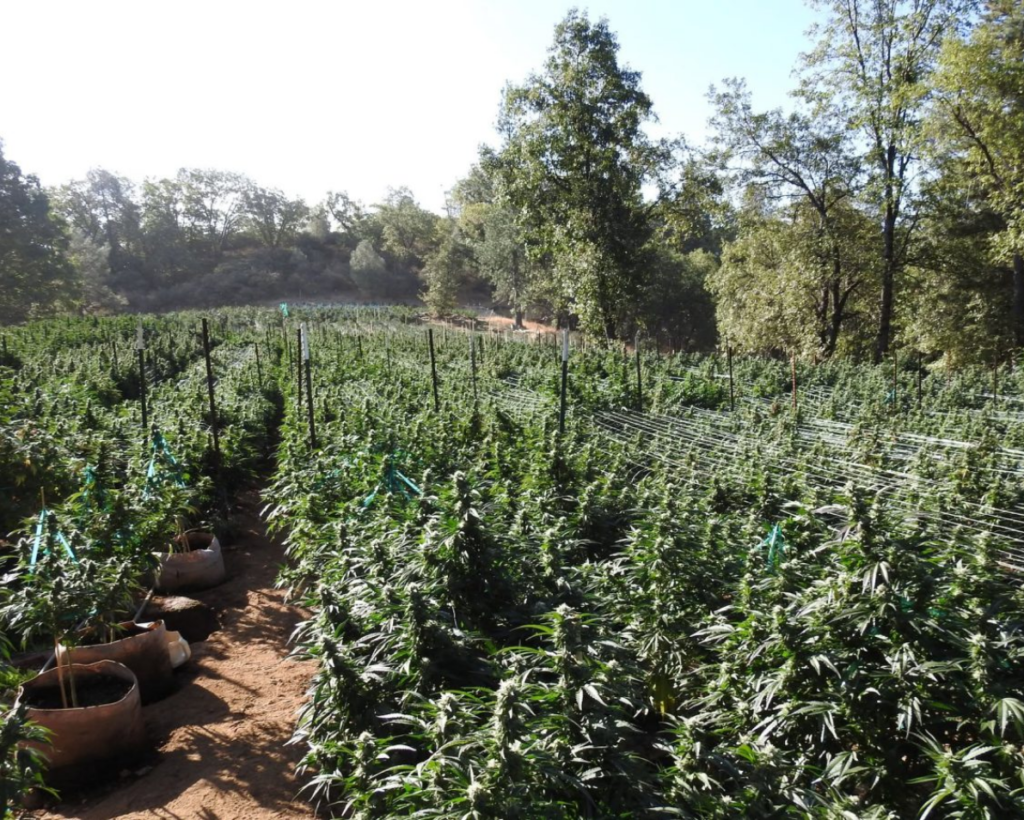
Authorities in Calaveras County, California, say they eradicated approximately 8,100 mature cannabis plants after executing a search warrant at a property in Sheep Ranch.
And 8,100 plants is not exactly somebody growing a few extras in the backyard.
According to the Calaveras County Sheriff’s Office, deputies served the warrant on September 17, 2026, at a property in the 1700 block of Hubbard Road. The operation was led by the county’s narcotics enforcement team as part of an investigation into alleged illegal marijuana cultivation. AOL.com
The most interesting part?
When deputies arrived, no suspects were found at the property.
Investigators say they are now working multiple leads as the case continues.
Authorities Estimate the Grow Could Have Produced Millions in Cannabis
The Sheriff’s Office estimated that each mature plant could potentially have produced between one and three pounds of cannabis.
Using that estimate, authorities say the approximately 8,100 plants could have eventually produced somewhere between 8,100 and 24,300 pounds of cannabis.
At an estimated value of $400 per pound, investigators placed the potential value of the crop between approximately $3.24 million and $9.72 million. AOL.com
Those numbers should be treated for what they are: law-enforcement estimates based on hypothetical future yield, not an amount of finished cannabis actually seized.
Still…
An operation containing more than 8,000 mature plants gives you an idea of the scale investigators say they were dealing with.
Nobody Was Found at the Property
This may be the part of the story that raises the most questions.
Deputies reportedly arrived, eradicated thousands of mature plants—and did not locate anyone operating the site at the time. AOL.com
No arrests were announced in the initial report.
Authorities also have not publicly identified who allegedly controlled the operation or explained how long the cultivation site had been active.
The Sheriff’s Office says detectives are pursuing multiple investigative leads.
So somehow there was potentially millions of dollars worth of cannabis growing at one location…
But nobody was home when law enforcement came through.
Yeah… investigators probably have a few questions too.
Cannabis Cultivation Is Legal in Calaveras County—With the Proper Permits
There is an important distinction here.
Cannabis cultivation itself is not completely prohibited in Calaveras County.
The county operates a regulated commercial cannabis cultivation program. Qualifying businesses must obtain local authorization and the appropriate California state license before beginning commercial cultivation. Calaveras Cannabis
California’s Department of Cannabis Control also requires a cultivation license for anyone growing cannabis commercially for sale. The type of state license depends on factors including cultivation method and canopy size. Cal Cannabis Control
Calaveras County additionally allows limited personal cultivation—generally no more than six live cannabis plants per private residence, subject to local requirements. Calaveras Cannabis
Eight thousand one hundred mature plants obviously falls into an entirely different category.
According to FOX40’s report, authorities described the Sheep Ranch operation as an illegal cultivation site. AOL.com
Why Does Illegal Cultivation Still Exist in a Legal Cannabis State?
This is one of the more complicated parts of California legalization.
Legalizing cannabis does not automatically erase the underground market.
Licensed cannabis cultivators have to operate inside a system involving state licensing, local permits, inspections, building requirements, environmental standards, waste management rules and other regulations.
In Calaveras County alone, commercial operators can face review from departments responsible for building safety, planning, public works, environmental health, agriculture and other areas before a cultivation permit becomes valid. Calaveras Cannabis
Illegal operators can attempt to avoid all of that.
No licensing costs.
No permit process.
No regulatory inspections.
No legal supply-chain requirements.
That creates a frustrating situation for licensed California cultivators who spend significant amounts of money staying compliant while potentially competing against cannabis produced completely outside the regulated system.
Calaveras County Has Been Fighting Illegal Cannabis Grows for Years
The county has a dedicated Marijuana Enforcement Team, specifically tasked with locating, identifying and eradicating illegal cultivation operations.
The Sheriff’s Office says the unit places particular priority on sites that use practices or substances harmful to the environment or negatively affect the quality of life of nearby residents. Calaveras Sheriff
And illegal cultivation is not a new problem for the county.
The Sheriff’s Office’s strategic plan shows tens of thousands of cannabis plants being eradicated annually in previous years, including more than 85,000 plants in 2019 and tens of thousands more in subsequent years. Calaveras Sheriff
That history makes the Sheep Ranch seizure less of an isolated event and more evidence that California’s legal and illegal cannabis markets are still operating alongside one another.
Legalization Was Never Supposed to Mean “Anything Goes”
There is an important conversation the cannabis community should be willing to have here.
Supporting cannabis legalization does not mean every cultivation operation should be allowed to exist without rules.
Legalization is supposed to create a system where cannabis can be produced, tested, tracked and sold under standards designed to protect consumers, workers and surrounding communities.
California has even continued updating its cultivation regulations, including new sanitation standards that took effect in July 2026 and updated pesticide-testing rules scheduled to take effect October 1. Cal Cannabis Control
Licensed businesses are expected to follow those rules.
If another grow can operate outside the same system with thousands of plants, the legal industry is not competing on an equal playing field.
That does not mean every unlicensed grow presents the same environmental or public-safety risk.
But when cultivation reaches this scale, regulators and licensed operators both have legitimate reasons to ask how these sites continue reaching maturity without detection.
California’s Bigger Cannabis Problem
The real issue is larger than the 8,100 plants in Sheep Ranch.
California has spent nearly a decade trying to transition cannabis from an underground economy into a regulated industry.
Yet enforcement stories involving thousands—or sometimes tens of thousands—of plants continue appearing across the state.
That leaves California trying to accomplish two things simultaneously:
Keep pressure on large illegal cultivation operations while making the regulated market competitive enough that operating legally actually makes economic sense.
Focusing exclusively on enforcement will not solve every problem facing California cannabis.
Neither will simply adding more regulations to licensed businesses.
The long-term challenge is creating a legal system consumers want to participate in, businesses can afford to operate within and illegal operators have difficulty competing against.
Because nearly a decade after adult-use legalization, an alleged grow containing 8,100 mature plants shows California’s transition is still very much a work in progress.
What Happens Next?
The Calaveras County investigation remains ongoing, and authorities say they are following several leads. No suspects had been announced in the initial report. AOL.com
For now, thousands of plants are gone.
The bigger question is who was allegedly behind them—and whether eliminating one cultivation site makes any meaningful dent in the broader unlicensed market.
What do you think California should prioritize: stronger enforcement against large illegal grows, lowering costs for licensed cultivators, simplifying the legal market—or a combination of all three?
Join the conversation and follow RollersDaily for more cannabis news, enforcement updates, policy changes and industry coverage.
Disclaimer
This article is provided for news and educational purposes only and does not encourage unlawful cannabis cultivation, possession, distribution or sales. No individual should be considered responsible for criminal conduct unless established through the appropriate legal process.