
Illegal Cannabis Grows in Siskiyou County Raise Alarm Over Toxic Pesticides and Public Safety
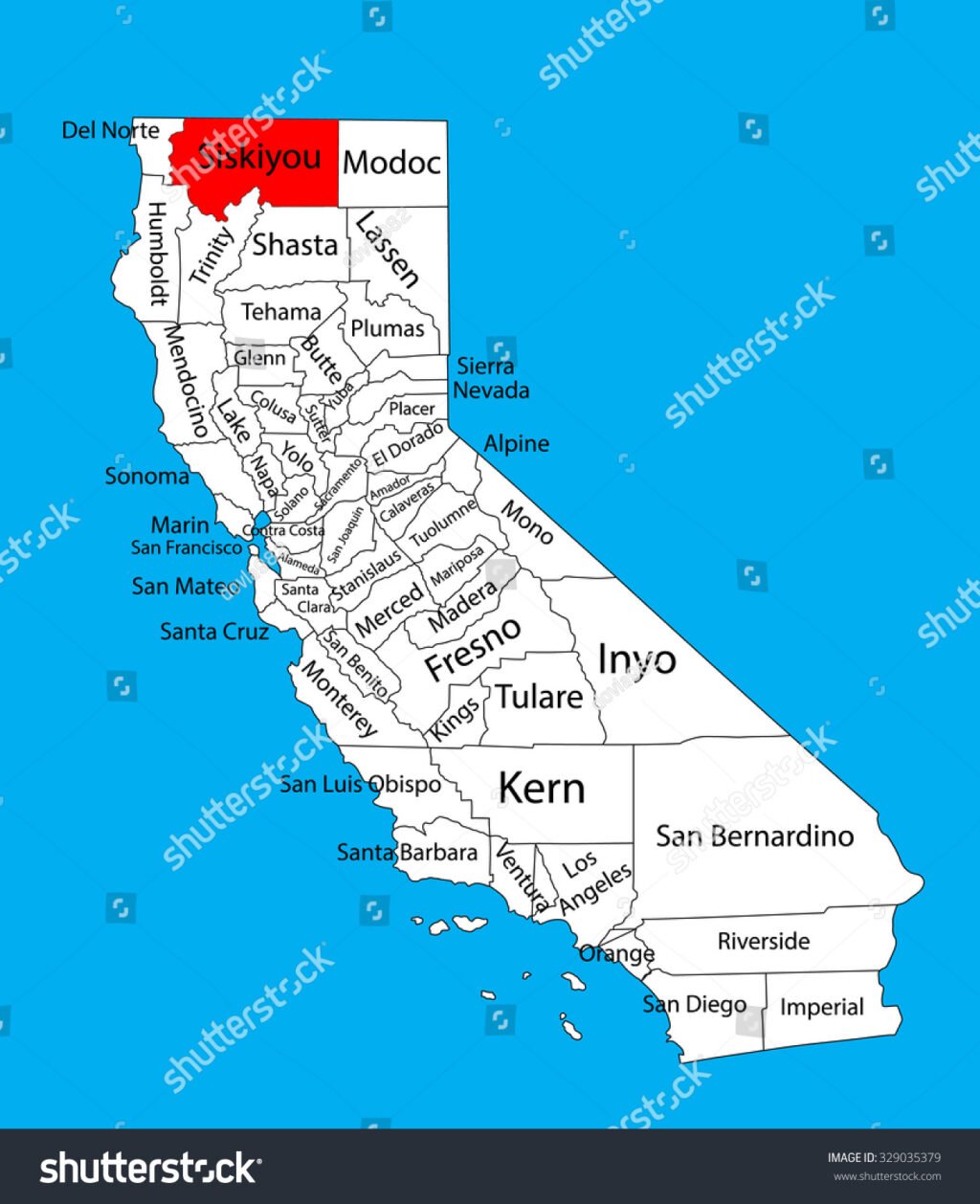
California has one of the largest legal cannabis markets in the world.
But several hours north of the state’s major cities, Siskiyou County is dealing with a completely different side of the industry: thousands of suspected illegal cultivation sites, toxic pesticides, environmental damage and allegations of organized criminal activity.
A recent City Journal investigation focused heavily on illegal cannabis operations in the Shasta Vista area of Siskiyou County, where Sheriff Jeremiah LaRue says his department has spent years trying to contain a massive unlicensed cultivation problem.
And the pesticide situation has become serious enough that the county officially declared a local emergency involving illegal pesticides and illicit cannabis operations in July 2025. That emergency was still being reviewed and extended by county officials in 2026.
This is bigger than somebody growing a few plants without a license.
County officials say they are dealing with chemicals capable of harming workers, first responders, consumers and the surrounding environment.
Siskiyou County Says Toxic Pesticides Are Being Found at Illegal Grows
According to Siskiyou County’s emergency declaration, investigators have repeatedly found foreign-manufactured pesticides at illegal cannabis cultivation sites.
Since 2023, county Code Enforcement and Environmental Health officials conducted approximately 176 investigations that uncovered what the county described as widespread misuse of highly toxic pesticides, including products carrying Chinese-language and other foreign labels.
Some of the chemicals identified by investigators include substances banned or heavily restricted in the United States.
County documents specifically mention chemicals such as carbofuran and methamidophos, along with other pesticides classified as carcinogens, groundwater pollutants or toxic air contaminants.
And this is where the story gets serious…
These chemicals are not only an environmental problem.
Authorities say first responders themselves have experienced health effects after entering contaminated cultivation sites.
City Journal reported incidents involving firefighters suffering chemical burns and law-enforcement personnel developing respiratory symptoms after entering areas where pesticides had allegedly been used.
Illegal Cannabis Creates a Completely Different Consumer-Safety Problem
The legal cannabis industry gets criticized for regulation all the time.
Testing requirements.
Tracking systems.
Packaging rules.
Cultivation standards.
Inspections.
Taxes.
Licensing fees.
Licensed operators can argue all day about whether California has gone TOO far with some of those requirements.
But situations like Siskiyou County show why some form of regulation matters.
A licensed cannabis cultivator cannot legally grab whatever agricultural chemical is available, spray the crop and send that product into stores.
California’s regulated system requires cannabis to move through licensed businesses and testing requirements before reaching consumers.
Illegal cultivation does not come with those protections.
A consumer purchasing cannabis outside the regulated market may have absolutely no idea what pesticides, fertilizers or other chemicals were used during cultivation.
The flower can look perfectly normal.
That does not mean the production process was safe.
How Large Is the Illegal Cultivation Problem?
Authorities describe the scale as enormous.
City Journal reported that Sheriff LaRue estimates thousands of illegal cultivation operations exist within the Shasta Vista subdivision alone, with some individual properties capable of holding thousands of plants.
Siskiyou County has repeatedly renewed a separate emergency declaration related specifically to the proliferation of illegal cannabis cultivation, showing that county officials continue to consider the problem beyond the capacity of routine enforcement.
That creates a difficult situation for a relatively small rural county.
Law enforcement can destroy one cultivation site…
But if thousands remain, removing individual grows becomes a game of numbers.
Authorities told City Journal that some operators simply return after enforcement actions and rebuild cultivation infrastructure.
What About the Claims Involving Chinese Nationals?
This part of the reporting requires some context.
City Journal focused heavily on Chinese nationals and Chinese-linked property ownership connected to illegal cultivation in Siskiyou County.
Sheriff LaRue told the outlet that a significant portion of the growers encountered in parts of Shasta Vista are Chinese nationals, and authorities have found Chinese-labeled products and pesticides at multiple cultivation sites.
There have also been documented California cases involving Chinese nationals, shell companies, suspicious property transactions and illegal marijuana cultivation.
But City Journal goes further by presenting theories from some interviewees suggesting Chinese criminal networks—or potentially actors connected to the Chinese government—could be deliberately using contaminated cannabis to harm Americans.
That claim has not been established as a finding by Siskiyou County, California authorities or federal investigators based on the evidence currently available.
The confirmed issue is serious enough without overstating it:
Illegal cultivation sites have been found using dangerous foreign-labeled pesticides.
Who ultimately controls every operation, why specific chemicals are being used and whether there is any broader geopolitical motive remain separate questions requiring considerably more evidence.
Illegal Cannabis and Legal Cannabis Are Not the Same Industry
Stories like this can easily become arguments against cannabis legalization as a whole.
But there is an important distinction.
These are illegal cultivation operations operating outside California’s licensed cannabis system.
Licensed operators are required to follow rules that illicit growers can simply ignore.
That distinction matters because the legal cannabis market is supposed to give consumers something the underground market cannot guarantee:
Accountability.
If a licensed product fails testing, regulators can issue recalls.
If a licensed cultivator violates pesticide rules, regulators can suspend or revoke licenses.
If a product is contaminated, there is at least a documented supply chain investigators can follow.
With an illegal grow, that entire system disappears.
And when legal businesses are forced to compete against operators who avoid taxes, licensing, testing and environmental rules completely, the legitimate industry takes the hit too.
California Still Has a Major Illegal-Market Problem
California legalized adult-use cannabis through Proposition 64 in 2016.
Legalization created a regulated marketplace—but it did not immediately eliminate the underground one.
That is one of the biggest misconceptions surrounding legalization.
People do not automatically move into the legal market simply because licensed stores exist.
Price differences, taxes, local dispensary bans, licensing costs and existing illicit distribution networks can all help an underground market survive.
In places like Siskiyou County, authorities say large-scale cultivation can exist far away from licensed dispensaries while supplying cannabis that may eventually travel throughout the country.
That means California faces two separate challenges at once:
Building a cannabis industry where legitimate businesses can actually survive…
While preventing illegal operators from ignoring every health, environmental and labor rule that licensed businesses are required to follow.
Pesticide Enforcement May Be One of the Most Important Parts of the Fight
Cannabis enforcement is often discussed purely in terms of arrests and plant seizures.
But toxic pesticides change the conversation.
If cultivation chemicals can contaminate soil, groundwater, workers or finished cannabis products, enforcement becomes a public-health and environmental issue—not simply a cannabis prohibition issue.
Siskiyou County’s own emergency declaration describes the pesticide problem as a threat to public health, first responders, property and the environment.
That should concern both cannabis supporters and cannabis critics.
Consumers should be able to know what they are putting into their bodies.
Workers deserve safe cultivation environments.
First responders should not unknowingly walk into buildings filled with toxic chemicals.
And licensed cultivators following California’s rules should not have to compete against operations willing to ignore all of them.
The Bigger Question for California
California has spent years trying to build one of the most regulated cannabis markets in America.
Meanwhile, some illegal cultivation operations appear to be operating under almost the exact opposite model.
No testing.
No verified pesticide controls.
No licensed supply chain.
No meaningful product tracking.
And potentially massive amounts of cannabis moving into unregulated distribution networks.
That leaves California with a difficult question:
How do you make the legal cannabis market strong enough to compete while aggressively targeting the operators creating genuine public-safety risks?
Because destroying illegal grows without fixing the economic pressures keeping the underground market alive may only solve part of the problem.
And regulating legal businesses harder while illicit operators ignore every rule definitely is not the answer.
For the cannabis community, the Siskiyou County situation should reinforce something important:
Legalization and regulation are supposed to make cannabis safer—not simply make cannabis easier to access.
The industry needs both.
What Do You Think?
What should California prioritize most?
A. More enforcement against illegal cultivation
B. Stronger pesticide and contamination testing
C. More resources for rural law enforcement and environmental cleanup
D. Lower barriers and costs for licensed cannabis businesses
E. All of the above
Join the conversation and follow RollersDaily for more cannabis industry, policy and public-safety coverage.
Disclaimer
This article is provided for news, commentary and educational purposes only and does not encourage unlawful cannabis cultivation, possession, distribution or sales; allegations concerning individual operators or broader criminal organizations should not be treated as established facts unless proven by appropriate authorities.