🐘 Alabama Cannabis Laws & Regulations
A Complete Guide for Patients, Consumers, and Cannabis Businesses
Last Updated: July 2026 • RollersDaily.com
🌿 Alabama Cannabis Laws & Regulations
📍 Looking for licensed Alabama medical cannabis dispensaries?
Browse verified dispensaries, cannabis news, industry updates, and educational resources on RollersDaily.com.
⚖️ Disclaimer
This guide is provided for informational and educational purposes only and should not be considered legal advice. Cannabis laws may change through new legislation, court decisions, or regulatory updates. Always verify current requirements with the Alabama Medical Cannabis Commission (AMCC) or consult a qualified attorney before making legal or business decisions.
🌿 Alabama’s Cannabis Industry at a Glance
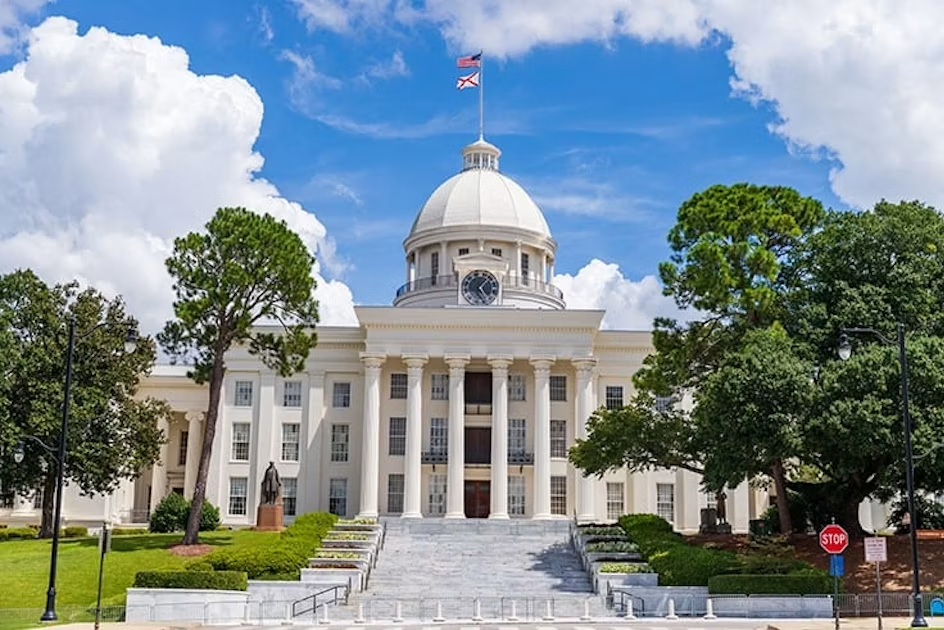
Unlike many states, Alabama has not legalized recreational cannabis. Instead, Alabama operates a medical cannabis program established under the Darren Wesley “Ato” Hall Compassion Act, which Governor Kay Ivey signed into law in 2021.
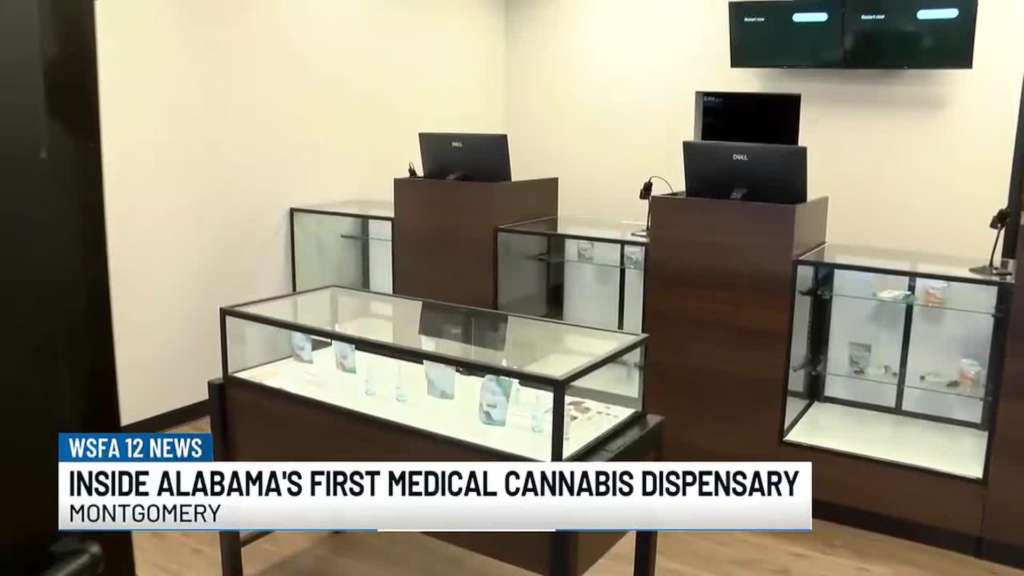
After several years of litigation and licensing delays, Alabama’s medical cannabis program began serving patients in 2026, with the state’s first licensed dispensary opening in June 2026 and additional dispensaries expected to open throughout the year.
Today, Alabama’s regulated medical cannabis industry includes licensed:
🌱 Cultivators
🏭 Processors
🚚 Secure Transporters
🧪 State Testing Laboratories
🏪 Medical Cannabis Dispensaries
Whether you’re a patient, caregiver, or business owner, this guide explains Alabama’s current cannabis laws and regulations.
🌿 Quick Facts
❌ Recreational cannabis is not legal
✅ Medical cannabis is legal for qualified registered patients
❌ Recreational dispensaries do not exist
❌ Recreational home cultivation is illegal
✅ Medical cannabis businesses must be licensed by the Alabama Medical Cannabis Commission (AMCC)
❌ Smoking or vaping medical cannabis is not permitted under Alabama law
⚖️ The Legal Foundation
Alabama’s cannabis laws are significantly more restrictive than those of many other states.
The state permits only regulated medical cannabis and continues to prohibit recreational cannabis possession, cultivation, and sales.
🌿 Darren Wesley “Ato” Hall Compassion Act (2021)
In May 2021, Governor Kay Ivey signed the Darren Wesley “Ato” Hall Compassion Act into law.
The legislation created Alabama’s first comprehensive medical cannabis program and established rules governing:
🌱 Cultivation
🏭 Processing
🚚 Secure transportation
🧪 Laboratory testing
🏪 Medical dispensaries
👨⚕️ Qualified patients
The law also created the Alabama Medical Cannabis Commission (AMCC) to oversee licensing and regulation.
🏛️ Alabama Medical Cannabis Commission (AMCC)
The Alabama Medical Cannabis Commission regulates Alabama’s legal medical cannabis industry.
The AMCC oversees:
🌱 Cultivation licenses
🏭 Processing licenses
🚚 Secure transporter licenses
🧪 Testing laboratory licenses
🏪 Medical dispensary licenses
📋 Patient and caregiver regulations
The Commission is responsible for licensing businesses, enforcing regulations, and overseeing Alabama’s medical cannabis program.
💊 Approved Medical Cannabis Products
Alabama law permits several forms of medical cannabis while prohibiting others.
Generally Permitted
💊 Tablets
💧 Oils
🧴 Topical products
💊 Capsules
🌿 Gel cubes
🩹 Transdermal patches
🧪 Tinctures
Not Permitted
🚭 Smoking cannabis flower
💨 Vaping cannabis products
🍪 Traditional edible foods
Raw cannabis flower is not sold through Alabama’s medical cannabis program.
🌿 Know Before Becoming a Patient
Medical cannabis in Alabama is available only to qualified patients who receive a physician certification and complete the state’s registration process. Recreational cannabis remains illegal.
📊 Alabama Cannabis Timeline
| Year | Major Event |
|---|---|
| 2021 | Darren Wesley “Ato” Hall Compassion Act signed into law |
| 2021 | Alabama Medical Cannabis Commission established |
| 2023–2025 | Licensing process delayed by litigation |
| June 2026 | First licensed Alabama medical cannabis dispensary opens |
| 2026 | Additional dispensaries continue opening across the state |
🌎 Why Alabama Matters
Although Alabama has not legalized recreational cannabis, its medical cannabis program represents a significant policy change for the state.
Following years of legal disputes over licensing, patients are beginning to gain access to physician-recommended medical cannabis through licensed dispensaries. As the program expands, Alabama is expected to continue issuing licenses and increasing patient access under the supervision of the Alabama Medical Cannabis Commission.
🌿 Coming Up Next
In Part 2, we’ll cover:
🌱 Home cultivation laws
👨⚕️ Patient cultivation rules
🏭 Commercial cultivation licensing
📋 Medical cannabis business licenses
🌿 AMCC licensing requirements
📈 Recent developments affecting Alabama cultivators and medical cannabis businesses
🌱 For Growers & Cultivators
Alabama has one of the most restrictive cannabis cultivation systems in the United States. Home cultivation is not legal, even for qualified medical cannabis patients. Cannabis cultivation is limited to businesses that receive licenses from the Alabama Medical Cannabis Commission (AMCC).
Understanding these rules is essential for patients, caregivers, and businesses interested in Alabama’s medical cannabis industry.
🏡 Home Cultivation
Unlike many medical cannabis states, Alabama does not allow patients or caregivers to grow cannabis at home.
Currently:
❌ Recreational home cultivation is illegal
❌ Medical home cultivation is illegal
❌ Caregivers may not grow cannabis for registered patients
Only businesses licensed by the Alabama Medical Cannabis Commission may legally cultivate cannabis within the state.
🌿 Know Before You Grow
Even if you are a qualified medical cannabis patient, Alabama law does not permit home cultivation. Patients must obtain medical cannabis through licensed dispensaries operating within the state’s regulated medical cannabis program.
⚠️ Important Things to Remember
Residents should avoid:
❌ Growing cannabis at home
❌ Purchasing cannabis from unlicensed sellers
❌ Selling cannabis without state licensing
❌ Transporting cannabis outside Alabama’s regulated medical cannabis system
Violating Alabama cannabis laws may result in civil or criminal penalties depending on the offense.
🏭 Commercial Cannabis Cultivation
Businesses wishing to cultivate cannabis commercially must obtain a Cultivator License issued by the Alabama Medical Cannabis Commission.
Cultivators are authorized to grow cannabis exclusively for Alabama’s regulated medical cannabis program.
Commercial cultivation outside the licensed system remains illegal.
🌱 Cultivator License
A licensed cultivator may:
🌿 Cultivate cannabis
📦 Transfer cannabis to licensed processors
🏪 Transfer medical cannabis to licensed dispensaries when authorized under applicable agreements
Cultivators operate within Alabama’s regulated medical cannabis supply chain and may only conduct activities specifically authorized by state law.
📋 Licensing Requirements
Businesses seeking a cultivation license generally must:
✅ Apply through the Alabama Medical Cannabis Commission
✅ Meet ownership and business eligibility requirements
✅ Maintain secure cultivation facilities
✅ Comply with inventory tracking requirements
✅ Follow state security regulations
✅ Submit to inspections and ongoing regulatory oversight
Alabama law limits the total number of cultivation licenses that may be issued statewide.
📋 Compliance Reminder
Licensed cultivators must comply with Alabama Medical Cannabis Commission regulations regarding cultivation, security, inventory tracking, product transfers, and recordkeeping. Failure to comply may result in disciplinary action, suspension, or loss of licensure.
🌎 Operational Responsibilities
Licensed cultivators are expected to operate responsibly while maintaining product quality and protecting public health.
Operational responsibilities commonly include:
💧 Water management
🌿 Responsible cultivation practices
🔒 Facility security
🧪 Product quality standards
📦 Secure storage
🏢 Building and fire code compliance
📋 Accurate inventory reporting
Maintaining these standards helps support Alabama’s regulated medical cannabis program.
📈 Industry Developments
Alabama’s medical cannabis industry continues to evolve as additional licensed businesses begin operations.
Recent developments include:
🏪 Expansion of licensed dispensaries
🌱 Continued cultivation and production of medical cannabis products
🚚 Growth of Alabama’s secure transportation network
🧪 Continued implementation of laboratory testing requirements
⚖️ Ongoing regulatory updates issued by the Alabama Medical Cannabis Commission
Businesses should regularly monitor AMCC announcements for updates affecting licensing and compliance.
🌿 RollersDaily Pro Tip
Alabama’s cannabis industry is entirely medical. Businesses that succeed in this market prioritize regulatory compliance, patient safety, accurate recordkeeping, and adherence to AMCC requirements.
📌 Quick Takeaways
✅ Home cannabis cultivation is not legal in Alabama.
✅ Medical cannabis patients must obtain products through licensed dispensaries.
✅ Commercial cultivation requires licensing from the Alabama Medical Cannabis Commission.
✅ Cultivators may only operate within Alabama’s regulated medical cannabis system.
✅ Compliance with AMCC regulations is essential for maintaining a cultivation license.
➡️ Coming Up Next: Part 3 — For Patients & Consumers, covering qualifying medical conditions, obtaining a medical cannabis card, possession rules, dispensaries, approved cannabis products, transportation, and patient rights under Alabama law.
🛒 Part 3 — For Consumers & Patients
Alabama’s medical cannabis program is designed to provide qualifying patients with regulated access to cannabis products through licensed dispensaries. Unlike many other states, Alabama does not permit recreational cannabis use, and only registered patients and caregivers may legally purchase approved medical cannabis products.
Understanding who qualifies, what products are available, and how the program works can help patients remain compliant with Alabama law.

👤 Who Can Become a Medical Cannabis Patient?
To qualify for Alabama’s medical cannabis program, an individual generally must:
✅ Be an Alabama resident
✅ Be diagnosed with a qualifying medical condition
✅ Receive a recommendation from a physician registered with the Alabama Medical Cannabis Commission (AMCC)
✅ Complete registration with the AMCC and receive a valid medical cannabis card
Patients under the age of 19 may qualify but must have an approved caregiver who meets state requirements.
🌿 Know Before You Apply
A physician’s diagnosis alone does not authorize medical cannabis use. Patients must complete the Alabama Medical Cannabis Commission’s registration process before purchasing products from a licensed dispensary.
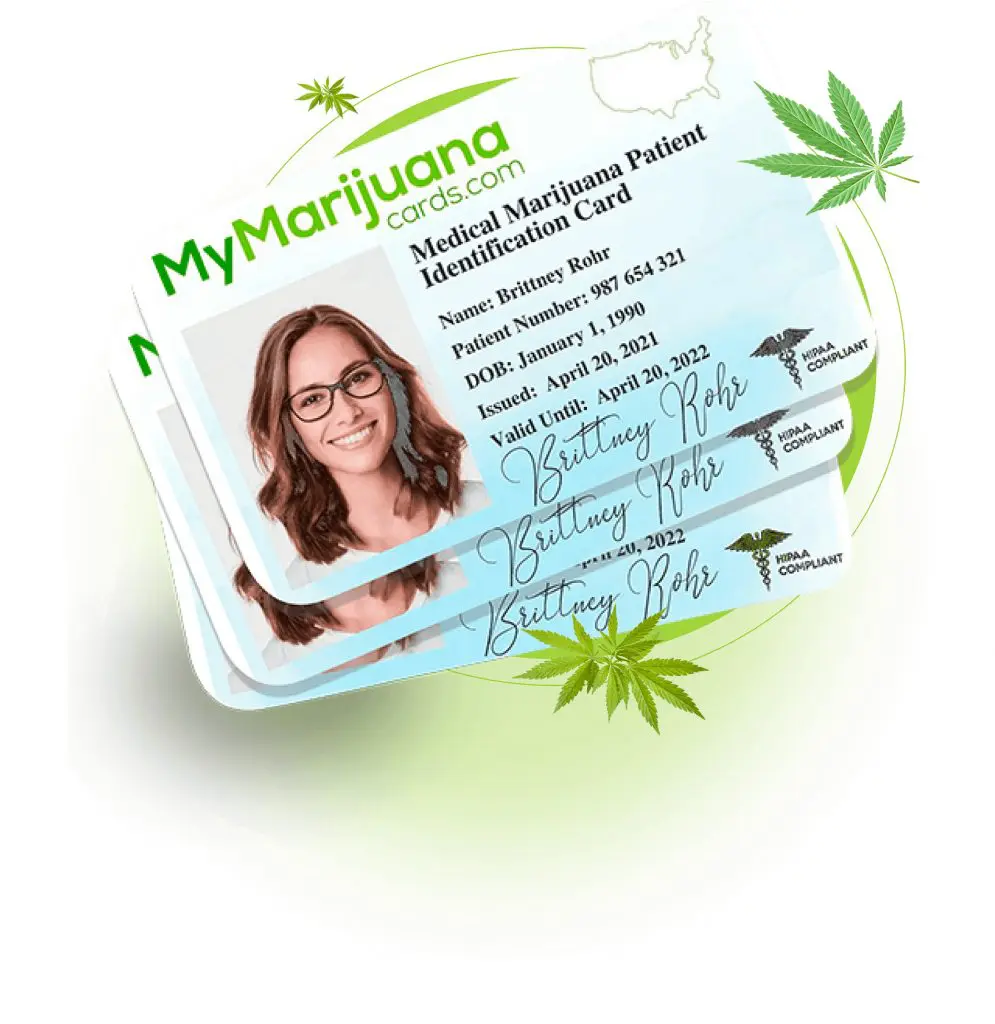
🩺 Qualifying Medical Conditions
Alabama law recognizes a specific list of qualifying medical conditions for medical cannabis treatment.
Examples include:
🧠 Autism Spectrum Disorder
🎗️ Cancer-related cachexia, nausea, vomiting, chronic pain, or weight loss
🦠 Crohn’s Disease
💙 Depression
⚡ Epilepsy and seizure disorders
🩸 HIV/AIDS-related nausea or weight loss
😰 Panic Disorder
🧠 Parkinson’s Disease
🤢 Persistent nausea (excluding pregnancy-related nausea)
🪖 Post-Traumatic Stress Disorder (PTSD)
🩸 Sickle Cell Anemia
🦴 Spasticity associated with multiple sclerosis, ALS, or spinal cord injury
🕊️ Terminal illness
🗣️ Tourette Syndrome
💢 Chronic or intractable pain when conventional treatment and opioid therapy have been ineffective
The Alabama Medical Cannabis Commission may review future petitions to add qualifying conditions, but only those recognized under state law currently qualify.
💊 Approved Medical Cannabis Products
Alabama permits only certain forms of medical cannabis.
Patients may obtain approved products such as:
💊 Tablets
💧 Oils
🧴 Topicals
💊 Capsules
🧪 Tinctures
🩹 Transdermal patches
🍬 Gel cubes
Products are manufactured and distributed through Alabama’s regulated medical cannabis system.
🚫 Products That Are Not Allowed
Even qualified patients may not legally purchase certain cannabis products in Alabama.
These include:
🚭 Smokable cannabis flower
💨 Vape cartridges and vaping products
🍪 Traditional cannabis-infused foods or baked edibles
These restrictions make Alabama’s medical cannabis program one of the more limited programs in the United States.
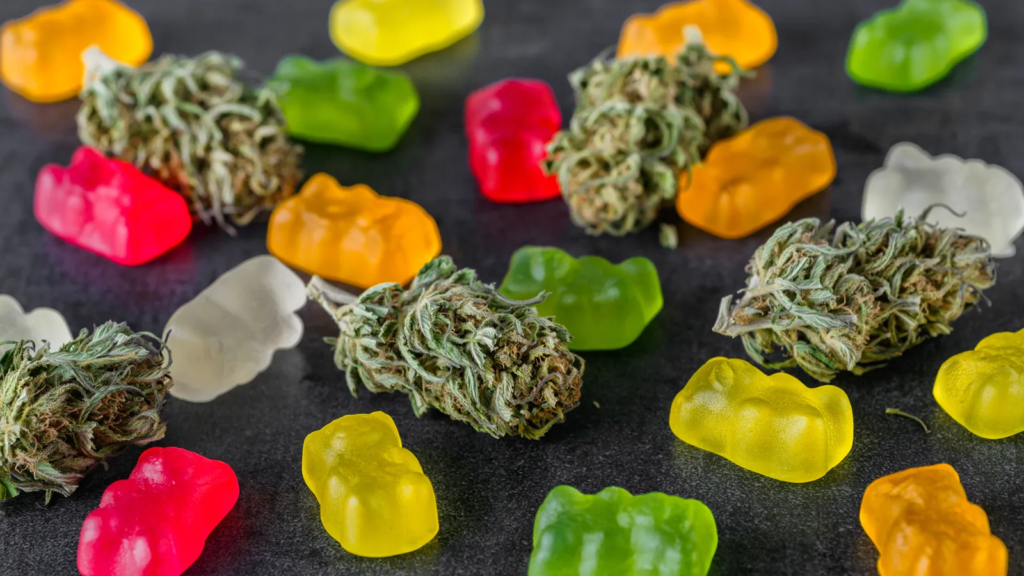
🏪 Purchasing Medical Cannabis
Registered patients may purchase medical cannabis only from licensed Alabama medical cannabis dispensaries.
Before making a purchase, patients should:
✅ Present a valid Alabama medical cannabis card
✅ Bring a government-issued photo ID
✅ Purchase only products approved under Alabama law
Patients should never purchase cannabis from unlicensed individuals or businesses.
🚗 Transporting Medical Cannabis
Patients should transport medical cannabis responsibly.
Best practices include:
🚗 Keeping products sealed during transportation
🪪 Carrying a valid medical cannabis card
📄 Having identification available if requested
🚫 Never transporting products obtained outside Alabama’s regulated medical cannabis program
Following these guidelines can help patients remain compliant with state law.
⚠️ Consumer Responsibilities
Medical cannabis patients remain responsible for complying with Alabama law.
Patients should never:
❌ Share medical cannabis with another person
❌ Purchase products from the illicit market
❌ Drive while impaired
❌ Use cannabis in forms prohibited by Alabama law
Violations may result in criminal penalties or loss of medical cannabis privileges.
⚖️ Compliance Reminder
Alabama’s medical cannabis card protects only qualified patients who comply with state law. It does not legalize recreational cannabis or authorize possession of products obtained outside Alabama’s regulated medical cannabis system.
📌 Quick Takeaways
✅ Recreational cannabis remains illegal in Alabama.
✅ Only registered patients and caregivers may purchase medical cannabis.
✅ Alabama recognizes specific qualifying medical conditions.
✅ Medical cannabis may only be purchased from licensed dispensaries.
✅ Smoking, vaping, and traditional cannabis edibles are not permitted under Alabama’s medical cannabis program.
➡️ Coming Up Next: Part 4 — For Distributors & Cannabis Businesses, covering dispensary licensing, processors, transporters, testing laboratories, compliance requirements, and how Alabama regulates its medical cannabis supply chain.
🏢 Part 4 — For Distributors & Cannabis Businesses
Alabama’s medical cannabis industry operates under one of the most tightly regulated licensing systems in the country. Every business involved in cultivating, processing, testing, transporting, or dispensing medical cannabis must obtain the appropriate license from the Alabama Medical Cannabis Commission (AMCC) and comply with extensive operational, security, and recordkeeping requirements.
Whether you’re opening a dispensary or providing transportation services, understanding Alabama’s licensing framework is essential before entering the market.
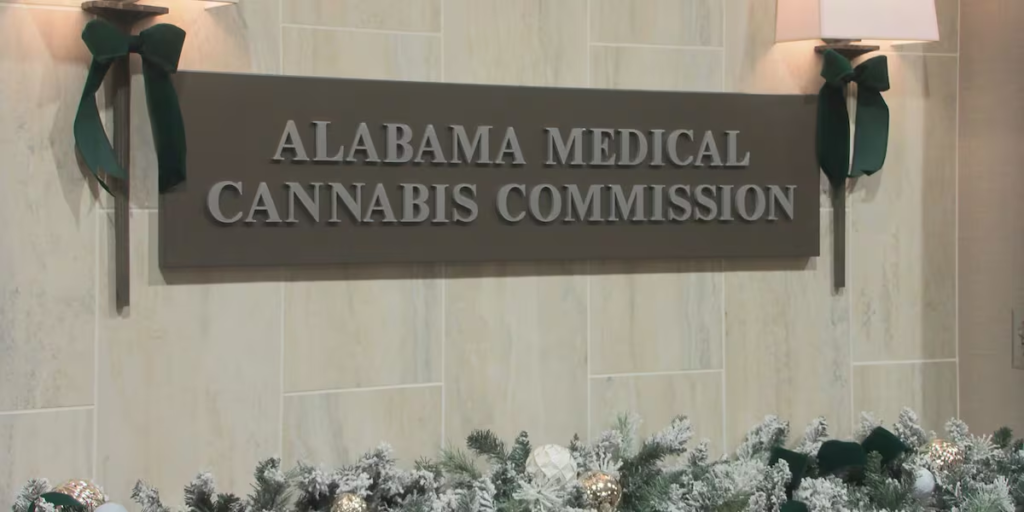
🏛️ Cannabis Business License Types
The Alabama Medical Cannabis Commission issues several types of business licenses, each authorizing specific activities within the state’s medical cannabis supply chain.
Current license categories include:
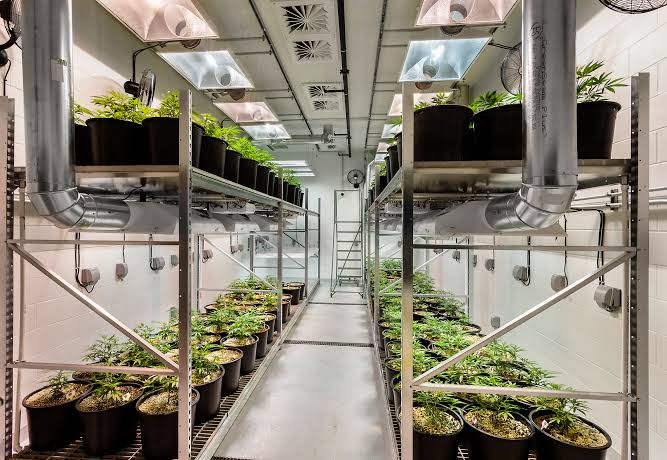
🌱 Cultivator
🏭 Processor
🏪 Dispensary
🚚 Secure Transporter
🧪 State Testing Laboratory
🏢 Integrated Facility
Each license comes with its own application requirements, operational standards, and annual licensing fees.
🌱 Cultivators
Licensed cultivators are authorized to:
✅ Grow cannabis
✅ Transfer cannabis to licensed processors
✅ Transfer medical cannabis to dispensaries when authorized under applicable law
Cultivators may not sell directly to patients or caregivers. Their role is limited to producing cannabis for Alabama’s regulated medical cannabis supply chain.
🏭 Processors
Processors convert harvested cannabis into approved medical cannabis products.
Responsibilities typically include:
💊 Manufacturing tablets and capsules
💧 Producing tinctures and oils
🧴 Preparing topical products
🩹 Manufacturing transdermal patches
🏷️ Packaging and labeling medical cannabis products
Processors must follow strict manufacturing, labeling, quality assurance, and security standards before products may be transferred to licensed dispensaries.
🏪 Dispensaries
Licensed dispensaries serve as the final point of sale within Alabama’s medical cannabis program.
Dispensaries may:
✅ Purchase medical cannabis from licensed processors or integrated facilities
✅ Verify patient eligibility
✅ Dispense approved medical cannabis products to registered patients and caregivers
Dispensaries may only sell to qualified patients or registered caregivers who possess valid Alabama medical cannabis credentials. Recreational sales remain prohibited.
🚚 Secure Transporters
Secure transporters provide transportation services between licensed cannabis businesses.
They are responsible for transporting:
🌿 Cannabis
📦 Medical cannabis products
🧪 Testing samples
🚛 Packaged inventory
Secure transporters may not:
❌ Sell cannabis
❌ Dispense cannabis
❌ Cultivate cannabis
❌ Deliver medical cannabis directly to patients or caregivers
Transport operations must follow approved security plans, maintain chain-of-custody documentation, and comply with Alabama’s statewide seed-to-sale tracking requirements.
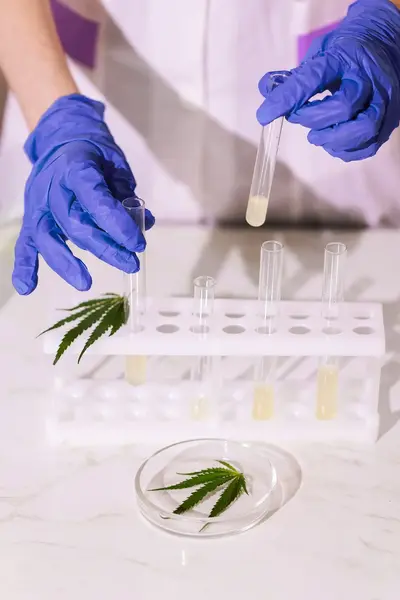
🧪 State Testing Laboratories
Before medical cannabis products reach dispensaries, they must undergo testing by licensed state testing laboratories.
Testing helps verify:
🧪 Product potency
🦠 Microbial contamination
☣️ Heavy metals
🌱 Pesticides
🧫 Other required quality and safety standards
Only products meeting Alabama’s regulatory requirements may proceed through the medical cannabis supply chain.
🏢 Integrated Facilities
Alabama also authorizes Integrated Facility Licenses, allowing a single licensed business to perform multiple functions within the state’s medical cannabis industry.
An integrated facility may conduct activities such as:
🌱 Cultivation
🏭 Processing
📦 Packaging and labeling
🚚 Transportation between its own facilities
🏪 Dispensing medical cannabis to registered patients and caregivers
Integrated facilities remain subject to all applicable AMCC regulations and licensing requirements.
📋 Compliance Requirements
Licensed cannabis businesses must comply with extensive operational standards, including:
✅ Facility security
✅ Inventory tracking through the statewide seed-to-sale system
✅ Product testing requirements
✅ Recordkeeping and reporting
✅ Packaging and labeling regulations
✅ Employee training
✅ Routine inspections
Failure to comply with state regulations may result in administrative action, suspension, fines, or revocation of a license.
⚖️ Compliance Reminder
Every Alabama cannabis business must operate within the authority granted by its specific license. Conducting activities outside the scope of an approved license or violating AMCC regulations may result in disciplinary action or loss of licensure.
📌 Quick Takeaways
✅ Alabama operates a regulated medical-only cannabis market.
✅ Businesses must obtain the appropriate AMCC license before operating.
✅ Dispensaries may only sell to registered patients and caregivers.
✅ Secure transporters move cannabis only between licensed facilities—not directly to consumers.
✅ Licensed laboratories play a critical role in ensuring product safety and regulatory compliance.
➡️ Coming Up Next: Part 5 — Frequently Asked Questions, Key Takeaways, RollersDaily Resources, Disclaimer, SEO Title & Meta Description.
❓ Part 5 — Frequently Asked Questions
Is recreational cannabis legal in Alabama?
No. Recreational cannabis remains illegal in Alabama. The state only permits cannabis use through its regulated medical cannabis program for qualified patients.
Can I grow cannabis at home?
No. Alabama does not allow home cultivation of cannabis for recreational users or registered medical cannabis patients. Only licensed cultivators approved by the Alabama Medical Cannabis Commission may legally grow cannabis.
Can I smoke medical cannabis?
No. Alabama law does not allow smokable cannabis flower or vaping products through its medical cannabis program. Patients are limited to approved product forms such as tablets, capsules, tinctures, gels, oils, topical products, transdermal patches, suppositories, inhalable oils used with approved nebulizers, and gelatinous cubes.
Where can patients buy medical cannabis?
Qualified patients and registered caregivers may purchase medical cannabis only from licensed Alabama medical cannabis dispensaries after receiving a valid Alabama medical cannabis card.
Can I use my medical marijuana card from another state?
Alabama’s medical cannabis laws do not currently provide a general reciprocity program that allows out-of-state medical cannabis cards to be used at Alabama dispensaries. Visitors should review current Alabama law before traveling with or attempting to purchase medical cannabis.
Does insurance cover medical cannabis?
Generally, no. Health insurance providers are not required to cover the cost of medical cannabis products in Alabama. Patients should expect to pay out of pocket.
📌 Key Takeaways
✅ Recreational cannabis remains illegal in Alabama.
✅ Alabama operates a medical-only cannabis program overseen by the Alabama Medical Cannabis Commission.
✅ Home cultivation is prohibited for both recreational users and medical patients.
✅ Medical cannabis products may only be purchased by registered patients and caregivers through licensed dispensaries.
✅ Smoking cannabis flower and vaping cannabis products are not permitted under Alabama’s medical cannabis program.
✅ Cannabis businesses must obtain the appropriate state license before operating.
🌿 Find Alabama Cannabis Businesses
Looking for licensed medical cannabis dispensaries or cannabis businesses in Alabama?
Visit RollersDaily.com to:
📍 Find licensed dispensaries
📰 Read the latest cannabis news
💼 Browse cannabis jobs
📅 Discover cannabis events
🌿 Explore cannabis brands and businesses across the United States
As Alabama’s medical cannabis industry continues to grow, RollersDaily will continue updating this guide with the latest laws, regulations, and industry developments.
⚖️ Disclaimer
The information contained in this guide is provided for educational and informational purposes only and should not be considered legal, medical, or financial advice. Cannabis laws change frequently through new legislation, administrative rules, and court decisions. Always verify current Alabama cannabis laws with the Alabama Medical Cannabis Commission (AMCC) or consult a qualified attorney before making legal or business decisions.
RollersDaily does not sell, distribute, or facilitate the sale of cannabis products. Any dispensaries, businesses, or services listed on RollersDaily are provided for informational purposes only.