
Colorado Cannabis Laws & Regulations: A Complete Guide for Growers, Consumers, and Distributors
Last Updated: July 2026 • RollersDaily.com
🏔️ Colorado Cannabis Laws & Regulations
A Complete Guide for Growers, Consumers, and Distributors
📍 Looking for licensed Colorado dispensaries?
Browse verified dispensaries, cannabis deals, local events, and cannabis news on RollersDaily.com.
⚖️ Disclaimer
This guide is intended for informational purposes only and should not be considered legal advice. Cannabis laws can change through new legislation, court decisions, or local regulations. Always verify current requirements with the Colorado Marijuana Enforcement Division (MED) or consult a qualified attorney before making legal or business decisions.

🌿 Colorado’s Cannabis Industry at a Glance
Colorado made history by becoming one of the first two states in the nation—alongside Washington—to legalize recreational cannabis. Adult-use sales officially began on January 1, 2014, making Colorado one of the world’s first regulated recreational cannabis markets.
More than a decade later, Colorado remains one of America’s most mature cannabis industries, with thousands of licensed businesses operating under a comprehensive regulatory framework.
Whether you’re a consumer looking to understand the law, a cultivator planning to grow cannabis, or a business interested in entering the industry, this guide covers the key regulations you should know.
🌿 Quick Facts
✅ Recreational cannabis is legal for adults 21+
✅ Medical cannabis has been legal since 2000
✅ Adults may possess up to 2 ounces of cannabis
✅ Adults may grow up to 6 plants per person (subject to household and local limits)
✅ Cannabis businesses require both state and local approval
✅ The Marijuana Enforcement Division (MED) regulates Colorado’s legal cannabis industry

⚖️ The Legal Foundation
Colorado’s legal cannabis industry is built upon two constitutional amendments and an extensive statewide regulatory system.
📜 Amendment 20 (2000)
Approved by Colorado voters in 2000, Amendment 20 legalized medical marijuana for qualifying patients and created Colorado’s Medical Marijuana Registry.
🌿 Amendment 64 (2012)
Amendment 64 legalized recreational cannabis for adults 21 years of age and older.
Colorado officially launched licensed recreational cannabis sales on January 1, 2014, becoming one of the first jurisdictions in the world to regulate adult-use cannabis.
🏛️ Marijuana Enforcement Division (MED)
The Marijuana Enforcement Division (MED), a division of the Colorado Department of Revenue, oversees nearly every aspect of Colorado’s cannabis industry.
The MED regulates:
- 🌱 Cultivation
- 🧪 Manufacturing
- 🔬 Testing laboratories
- 🚚 Transportation
- 🏪 Retail dispensaries
- 🌿 Cannabis hospitality businesses
Every licensed cannabis business must comply with MED regulations in addition to any applicable local requirements.
🏙️ State + Local Approval
Colorado uses a dual licensing system, meaning most cannabis businesses must receive approval from:
✅ The State (MED)
AND
✅ The local city or county
Many municipalities permit cannabis businesses, while others prohibit certain license types or decline to issue local licenses altogether. Businesses should always verify local zoning and licensing requirements before applying.
🌿 Know Before You Start a Cannabis Business
Receiving a Colorado state license does not automatically allow a business to operate anywhere in the state. Local governments often have additional zoning, licensing, and operational requirements.

📊 Colorado Cannabis Timeline
| Year | Major Event |
|---|---|
| 2000 | Amendment 20 legalizes medical cannabis |
| 2012 | Amendment 64 legalizes recreational cannabis |
| Jan. 1, 2014 | First licensed recreational cannabis sales begin |
| 2022 | Adult possession limit increased from 1 ounce to 2 ounces |
| 2026 | Continued regulatory updates and legislative proposals affecting testing, taxation, and industry oversight |
🌱 For Growers & Cultivators
Whether you’re growing cannabis for personal use or planning to launch a licensed cultivation business, Colorado has specific laws governing how cannabis can be grown, where it can be be cultivated, and the licensing requirements for commercial operations.
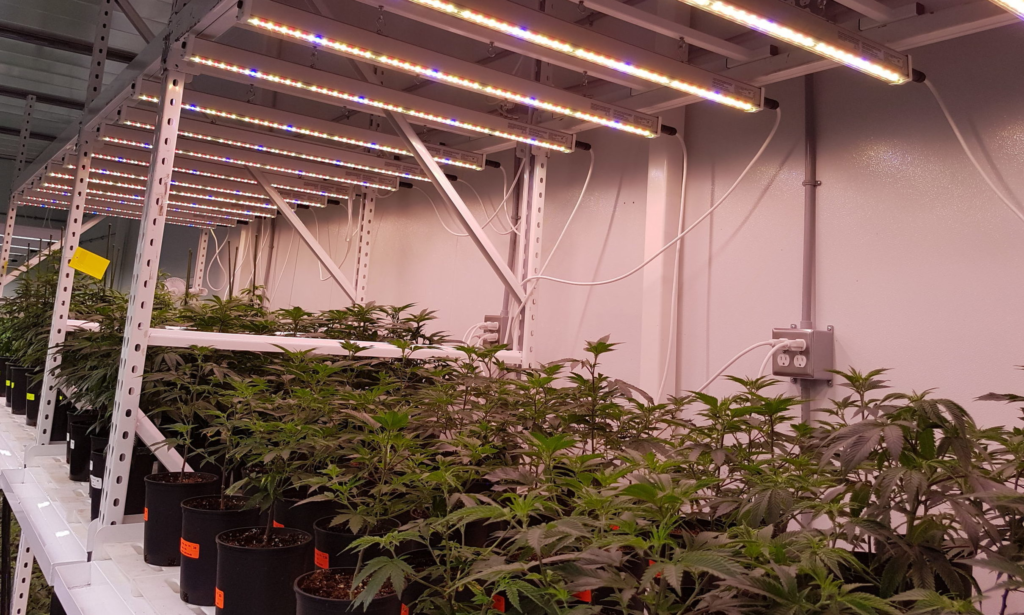
🏡 Personal (Non-Commercial) Home Grow
Colorado allows adults 21 years of age and older to grow cannabis at home without obtaining a commercial license. However, state law and local governments impose several important restrictions.
🌿 Home Grow Rules
✅ Adults may grow up to six cannabis plants per person
✅ No more than three plants may be flowering at one time
✅ Most residences are limited to 12 total plants per household, regardless of how many adults live there (subject to certain legal exceptions)
✅ Plants must be grown in an enclosed, locked area
✅ Plants cannot be readily visible to the public
✅ Landlords may prohibit cannabis cultivation through lease agreements
✅ Cities and counties may adopt additional restrictions beyond state law
🌿 Know Before You Grow
Colorado law allows home cultivation, but many cities and counties have additional zoning, nuisance, or safety regulations. Always check your local ordinances before starting a home grow.
🔒 Keeping Your Grow Legal
To remain compliant, home growers should:
✔️ Keep plants inside a secure, enclosed area
✔️ Prevent access by minors
✔️ Avoid creating odors that violate local nuisance ordinances
✔️ Never sell cannabis grown under personal cultivation laws
✔️ Stay within Colorado’s legal possession and cultivation limits
⚠️ Penalties for Exceeding Plant Limits
Growing more plants than Colorado law allows can lead to civil penalties or criminal charges depending on the circumstances.
Potential consequences may include:
- 💰 Fines
- ⚖️ Drug misdemeanor charges
- 🚔 Felony charges for significant illegal cultivation operations
- ❌ Seizure of cannabis plants and equipment
The severity of penalties generally depends on the number of plants involved and whether the cultivation is connected to illegal commercial activity.
🏭 Commercial Cannabis Cultivation
Anyone cultivating cannabis for sale in Colorado must obtain the appropriate licenses before beginning operations.
Commercial cultivation requires:
✅ State licensing through the Marijuana Enforcement Division (MED)
✅ Local city or county approval
✅ Compliance with zoning requirements
✅ Ongoing inspections and regulatory oversight
Operating a commercial cultivation business without proper licensing can result in substantial penalties.

🌿 Commercial Cultivation License Types
Colorado offers multiple cultivation license classes based primarily on operational size and production capacity.
Commercial cultivation may include:
🌱 Indoor cultivation
☀️ Outdoor cultivation
🏡 Greenhouse cultivation
Different license tiers are designed to accommodate businesses ranging from small craft cultivators to large-scale commercial operations.
📋 Commercial Licensing Requirements
Licensed cultivators are generally required to:
✔️ Receive local government approval
✔️ Pass ownership and financial background reviews
✔️ Register their operation with Colorado’s Metrc seed-to-sale tracking system
✔️ Maintain accurate inventory records
✔️ Follow pesticide and product safety regulations
✔️ Submit to periodic inspections by state regulators
✔️ Renew licenses according to MED requirements
⚖️ Compliance Reminder
Every cannabis plant cultivated by a licensed business must be tracked through Colorado’s official Metrc system. Inventory discrepancies or inaccurate reporting can result in enforcement actions, fines, or license suspension.
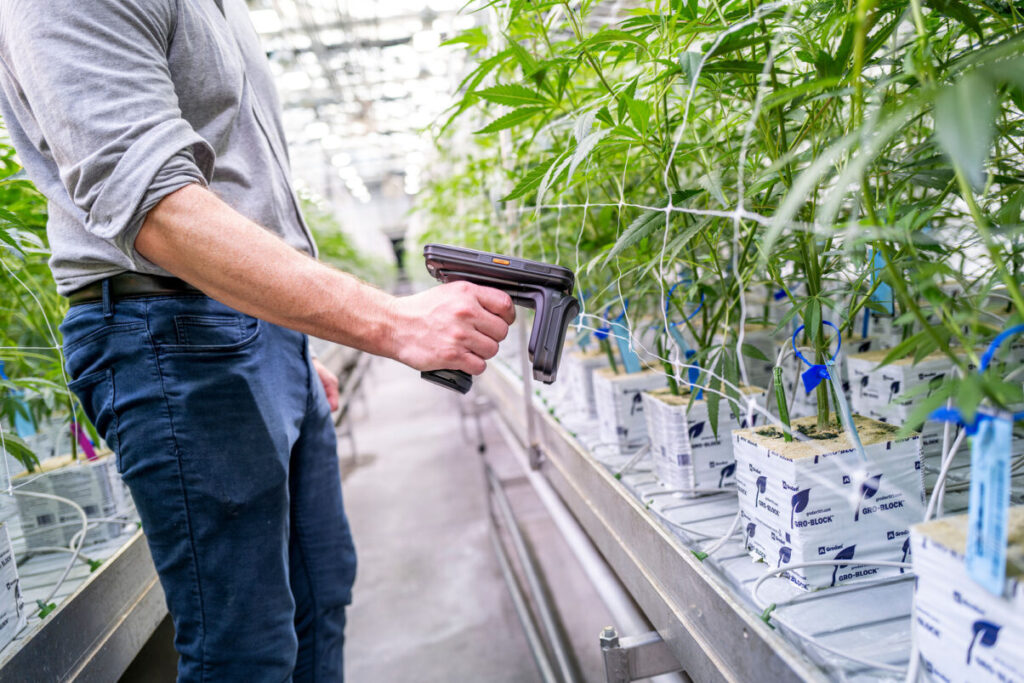
🌎 Environmental & Operational Responsibilities
Licensed cultivation businesses are expected to operate responsibly and comply with various environmental, agricultural, and workplace safety standards.
These responsibilities commonly include:
🌿 Proper pesticide usage
💧 Water conservation and wastewater management
⚡ Electrical and fire safety compliance
🧪 Product testing requirements
📦 Secure storage and transportation procedures
🏢 Building and zoning code compliance
Businesses should also remain aware of local environmental regulations that may vary between counties.
📈 Recent Industry Developments
Colorado’s cannabis industry continues to evolve as lawmakers and regulators consider updates affecting taxation, testing standards, licensing procedures, and consumer safety.
Some recent developments include:
📰 Ongoing legislative proposals that may modify cannabis tax structures
🧪 Continued modernization of laboratory testing and product safety requirements
📊 Expanded transparency initiatives related to product tracking and compliance
🤝 Programs designed to improve opportunities for qualifying social equity applicants
Because cannabis regulations can change from year to year, businesses should regularly monitor updates from the Colorado Marijuana Enforcement Division (MED) before making operational decisions.
🌿 RollersDaily Pro Tip
Successful cannabis cultivation is about more than growing quality flower. Long-term success depends on compliance, accurate recordkeeping, environmental responsibility, and staying informed about changes to Colorado cannabis regulations.
📌 Quick Takeaways
✅ Adults 21+ may legally grow cannabis for personal use
✅ Home grows must remain within Colorado’s plant limits and security requirements
✅ Selling cannabis requires both state and local licensing
✅ Commercial cultivators must participate in Colorado’s Metrc tracking system
✅ Local governments may impose additional cultivation restrictions
🛒 For Consumers
Whether you’re a Colorado resident or visiting from another state, understanding the state’s cannabis laws can help you stay compliant while enjoying legal cannabis responsibly.
Colorado permits both medical and adult-use (recreational) cannabis, but different rules apply depending on your age and eligibility.

👤 Who Can Buy Cannabis?
Colorado allows adults 21 years of age and older to legally purchase recreational cannabis from licensed dispensaries.
Medical cannabis is available to qualifying patients who are registered in Colorado’s medical marijuana program.
✅ Adult-Use (Recreational)
✔️ Must be 21 years or older
✔️ Valid government-issued photo ID required
✔️ No medical recommendation needed
✔️ Residents and visitors generally follow the same purchase and possession rules
🩺 Medical Cannabis
Medical cannabis is available to qualifying patients with a physician’s certification and enrollment in Colorado’s medical marijuana registry.
Medical patients may receive benefits such as:
🌿 Access to medical dispensaries
💰 Lower overall taxes on purchases
📋 Higher possession or purchase limits in certain circumstances
🌿 Know Before You Visit
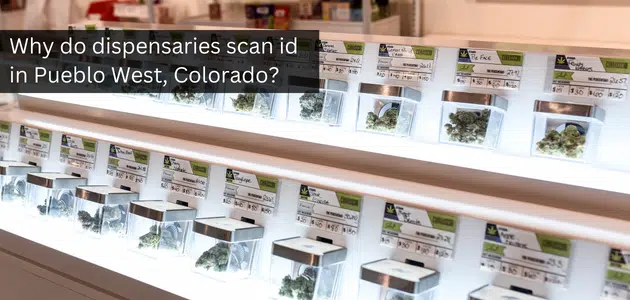
Colorado dispensaries are required to verify age before allowing recreational cannabis purchases. Always bring a valid government-issued photo ID.
⚖️ Possession Limits
Colorado law allows adults to possess limited amounts of cannabis for personal use.
Adult-Use Possession
Adults 21+ may legally possess:
🌿 Up to 2 ounces (56 grams) of cannabis flower
🧪 Up to 8 grams of cannabis concentrate
🌱 Cannabis cultivated within Colorado’s legal home-grow limits
Medical Patients
Registered medical patients may qualify for increased purchase or possession limits depending on their physician’s recommendation and applicable Colorado regulations.
🎁 Gifting Cannabis
Colorado law allows adults 21 and older to give cannabis to another adult without receiving payment.
✅ Gifting is legal
❌ Selling without a license is illegal
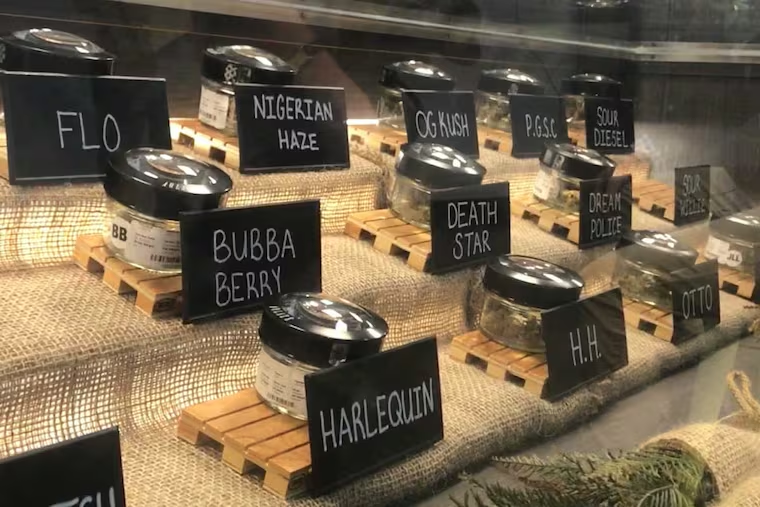
🏪 Purchasing Cannabis
Cannabis may only be purchased from licensed Colorado dispensaries.
Dispensaries may operate as:
🌿 Adult-use dispensaries
🩺 Medical dispensaries
🏪 Dual-use dispensaries serving both markets
Licensed dispensaries must comply with extensive state regulations governing security, inventory tracking, product testing, packaging, and labeling.
🚚 Cannabis Delivery
Colorado permits licensed cannabis delivery in certain jurisdictions.
However, local governments decide whether cannabis delivery is allowed within their communities.
Where available:
✅ Deliveries must be performed by licensed businesses
✅ Delivery vehicles must comply with Colorado regulations
✅ Customers must meet legal age and identification requirements
⚠️ Important
Cannabis delivery availability varies by city and county. Always verify whether delivery is permitted in your area before placing an order.

🧪 Product Testing & Safety
Every cannabis product sold through Colorado’s licensed market must undergo testing before reaching consumers.
Testing may include:
🔬 Potency verification
🧪 Residual solvent testing
☣️ Pesticide screening
🦠 Microbial contamination testing
⚙️ Heavy metal testing
Licensed testing laboratories help ensure products meet Colorado’s safety standards before retail sale.
🚭 Where Can You Consume Cannabis?
Colorado allows cannabis consumption only in certain locations.
Generally permitted:
🏠 Private residences (if allowed by the property owner)
🌿 Licensed cannabis hospitality businesses where authorized by local law
Generally prohibited:
🚫 Public sidewalks
🚫 Parks
🚫 Restaurants
🚫 Bars
🚫 Public transportation
🚫 School property
🚫 Federal property
Property owners, landlords, hotels, and employers may establish additional restrictions regarding cannabis use on their premises.

🚗 Driving & Cannabis
Driving while impaired by cannabis is illegal in Colorado.
Drivers should never consume cannabis before operating:
🚗 Cars
🏍️ Motorcycles
🚛 Commercial vehicles
🚲 Any vehicle where impairment creates a safety risk
Colorado law enforcement may investigate suspected impaired driving using established legal procedures.
⚠️ Safety Reminder
If you plan to consume cannabis, arrange transportation ahead of time. Never drive while impaired.
💰 Cannabis Taxes
Cannabis products purchased in Colorado may be subject to several taxes depending on whether the purchase is recreational or medical.
Adult-use cannabis purchases generally include:
💵 State retail marijuana taxes
🏙️ Local city or county taxes (where applicable)
Medical cannabis purchases are often taxed differently and may result in lower overall tax costs for qualifying registered patients.
Tax rates and local taxes may change over time, so consumers should expect pricing to vary between dispensaries and municipalities.

📌 Consumer Tips
Before visiting a dispensary:
✅ Bring a valid government-issued ID
✅ Purchase only from licensed dispensaries
✅ Store cannabis safely away from children and pets
✅ Keep products sealed while transporting them
✅ Learn your local city’s cannabis regulations
🌿 Quick Takeaways
✅ Adults 21+ can legally purchase recreational cannabis
✅ Colorado allows possession of up to 2 ounces of cannabis for adults
✅ Licensed dispensaries are the only legal retail sellers
✅ Delivery availability depends on local government approval
✅ Public consumption remains prohibited in most locations
✅ Driving while impaired by cannabis is illegal
🚚 For Distributors
Distributors and transporters play a vital role in Colorado’s regulated cannabis supply chain. Unlike California, where independent distributors are generally required, Colorado allows many licensed cannabis businesses to operate under vertical integration, meaning a single company may cultivate, manufacture, transport, and sell its own products if properly licensed.
Whether you’re transporting cannabis, managing inventory, or operating multiple license types, compliance with Colorado regulations is essential.

🌿 Colorado’s Cannabis Supply Chain
Before cannabis reaches consumers, it typically moves through several licensed businesses.
Typical Supply Chain
🌱 Cultivator
⬇️
🧪 Manufacturer
⬇️
🚚 Transporter
⬇️
🏪 Licensed Dispensary
⬇️
👤 Consumer
Many Colorado companies operate multiple stages of this process under one ownership structure, allowing greater efficiency while remaining subject to state licensing requirements.
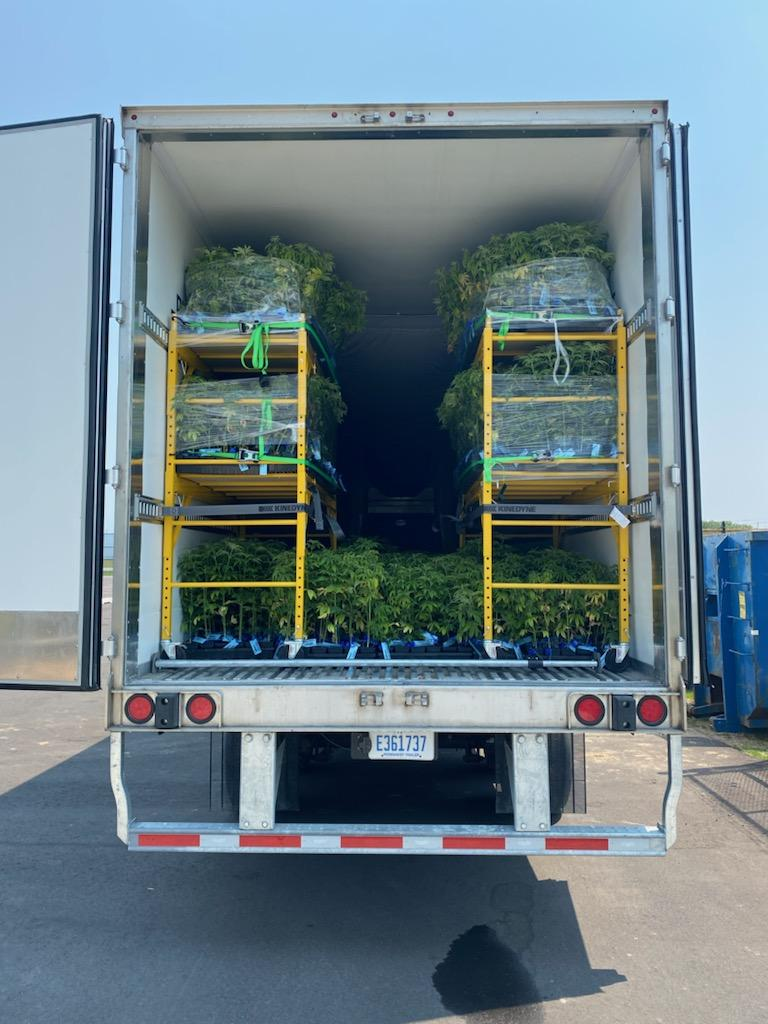
🚛 Marijuana Transporter License
Businesses transporting cannabis between licensed facilities generally require the appropriate authorization from the Colorado Marijuana Enforcement Division (MED).
Licensed transporters may move cannabis between:
🌱 Cultivation facilities
🧪 Manufacturing facilities
🔬 Licensed testing laboratories
🏪 Retail dispensaries
📦 Other authorized MED-licensed businesses
All transportation must comply with Colorado security, inventory tracking, and documentation requirements.
📦 Delivery vs. Transportation
Although both involve moving cannabis, Colorado distinguishes between business-to-business transportation and consumer delivery.
| 🚚 Transportation | 🛒 Consumer Delivery |
|---|---|
| Between licensed businesses | Directly to eligible customers |
| Requires appropriate MED licensing | Available only where local governments permit |
| Uses inventory manifests | Requires customer ID verification |
| Follows Metrc tracking requirements | Must comply with delivery regulations |
🌿 Know the Difference
A licensed transporter moves cannabis between businesses, while licensed delivery services bring cannabis directly to eligible consumers where permitted by local law.
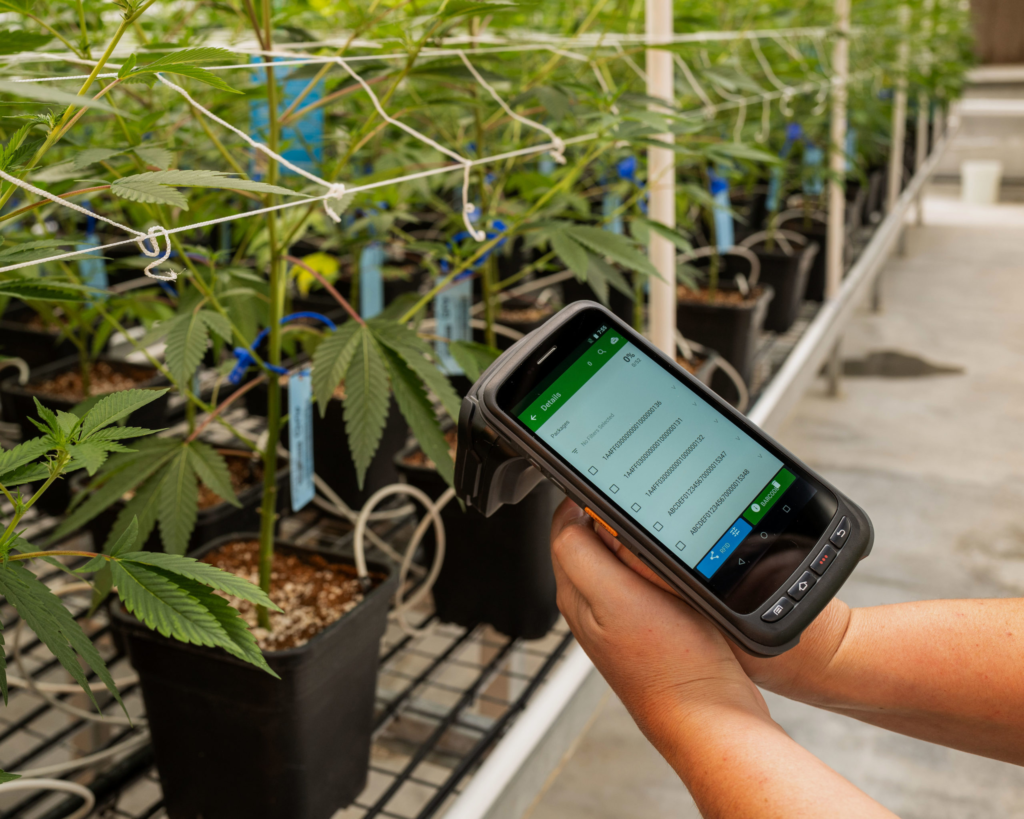
📊 Seed-to-Sale Tracking (Metrc)
Colorado requires licensed cannabis businesses to participate in Metrc, the state’s official seed-to-sale tracking system.
Metrc helps regulators monitor cannabis throughout the legal marketplace.
Businesses must accurately document:
🌱 Plant creation
🏷️ Plant tagging
📦 Package creation
🚚 Product transfers
🛒 Retail sales
🗑️ Waste disposal
Maintaining accurate records helps ensure accountability throughout Colorado’s regulated cannabis industry.
🧪 Product Testing Requirements
Before cannabis products can be legally sold, they must meet Colorado’s testing requirements.
Testing may include:
🔬 Potency analysis
☣️ Pesticide screening
⚙️ Heavy metal testing
🧪 Residual solvent testing
🦠 Microbial contamination screening
Products that fail required testing generally cannot enter Colorado’s legal retail market.
🔒 Security & Compliance
Licensed businesses must comply with numerous operational requirements designed to protect consumers and maintain product integrity.
These commonly include:
📹 Security camera systems
🔐 Secure storage areas
📋 Inventory reconciliation
🚚 Transportation manifests
🏢 Facility inspections
📚 Record retention
Failure to comply may result in enforcement actions by the Marijuana Enforcement Division.
⚠️ Compliance Matters
Inventory discrepancies, inaccurate records, or unauthorized product movement can result in fines, license suspension, or license revocation.

📝 Licensing Process
Businesses seeking transportation or distribution-related licenses generally follow these steps:
1️⃣ Obtain Local Approval
Confirm that the city or county allows the proposed cannabis business.
2️⃣ Apply with the MED
Submit ownership information, financial disclosures, business documentation, and any required background information through Colorado’s licensing system.
3️⃣ Complete Facility Requirements
Businesses must satisfy applicable zoning, building, fire, and security standards before beginning operations.
4️⃣ Register with Metrc
Licensed businesses must complete required training and begin using Colorado’s official inventory tracking system.
5️⃣ Maintain Ongoing Compliance
Businesses should maintain accurate records, prepare for inspections, renew licenses when required, and remain informed about regulatory updates.

📈 Industry Trends
Colorado’s cannabis industry continues to evolve through legislative updates and regulatory modernization.
Current areas of focus include:
📊 Improved product traceability
🧪 Enhanced testing and consumer safety standards
🤝 Social equity initiatives
💻 Modernized licensing systems
⚖️ Potential future updates to cannabis taxation and regulatory oversight
Cannabis businesses should regularly monitor announcements from the Colorado Marijuana Enforcement Division (MED) and the Colorado Department of Revenue for changes that may affect operations.
📌 Distributor Best Practices
Successful cannabis businesses typically:
✅ Maintain accurate Metrc records
✅ Conduct regular inventory audits
✅ Train employees on compliance procedures
✅ Follow secure transportation practices
✅ Keep licenses and permits current
✅ Stay informed about evolving Colorado regulations
🌿 RollersDaily Pro Tip
Strong compliance practices help protect cannabis businesses from costly penalties while building trust with customers, regulators, and business partners.
🌿 Quick Takeaways
✅ Colorado allows licensed transportation of cannabis between authorized businesses.
✅ Many cannabis companies operate under vertically integrated business models.
✅ Metrc tracking is required throughout the legal supply chain.
✅ Licensed products must meet Colorado’s testing and safety requirements before retail sale.
✅ Compliance with state and local regulations is essential for long-term success.
❓ Frequently Asked Questions (FAQ)
Below are answers to some of the most common questions about Colorado cannabis laws. These FAQs are designed to help consumers, visitors, and businesses better understand Colorado’s legal cannabis market.
🌿 Is recreational cannabis legal in Colorado?
Yes. Adults 21 years of age and older may legally purchase, possess, and consume cannabis under Colorado law when purchasing from licensed businesses.
🪪 Do I need a medical marijuana card?
No.
Adults 21 and older do not need a medical marijuana card to purchase recreational cannabis.
However, qualifying patients may obtain a Colorado Medical Marijuana Card, which can provide access to medical dispensaries and different tax treatment.
🌱 How many cannabis plants can I legally grow?
Colorado generally allows adults to grow:
✅ Up to 6 cannabis plants per person
✅ No more than 3 flowering plants at one time
✅ Most households are limited to 12 total plants
Plants must be kept in an enclosed, locked area and local governments may impose additional restrictions.
🏪 Can tourists buy cannabis in Colorado?
Yes.
Visitors who are 21 years or older with valid government-issued identification may legally purchase recreational cannabis from licensed Colorado dispensaries.
🚚 Does Colorado allow cannabis delivery?
Yes—but only in jurisdictions where local governments authorize licensed cannabis delivery.
Availability varies by city and county.
🚭 Can I smoke cannabis in public?
Generally, no.
Cannabis use is typically limited to:
🏠 Private residences (where permitted)
🌿 Licensed cannabis hospitality businesses in jurisdictions that allow them
Public consumption remains prohibited in most public places.
🚗 Can I drive after consuming cannabis?
No.
Driving while impaired by cannabis is illegal.
Always arrange safe transportation before consuming cannabis.
✈️ Can I take cannabis onto an airplane?
Although some Colorado airports have cannabis disposal containers or local policies regarding possession before security, cannabis remains illegal under federal law, and transporting it across state lines or onto many forms of federal transportation can have legal consequences.
🇺🇸 Is cannabis legal on federal land?
No.
Federal law still prohibits cannabis possession and use on federal property, including many:
🏞️ National Parks
🌲 National Forests
🏛️ Federal buildings
🎖️ Military installations
💳 Can I use a credit card at dispensaries?
Many dispensaries primarily accept cash, although some may accept debit cards or alternative payment methods depending on their banking relationships.
Payment options vary by retailer.

🌿 Colorado Cannabis at a Glance
| Category | Colorado Law |
|---|---|
| Minimum Recreational Age | 21+ |
| Medical Cannabis | Yes |
| Recreational Cannabis | Yes |
| Home Grow | Up to 6 plants per adult (subject to household and local limits) |
| Recreational Possession | Up to 2 ounces |
| Licensed Dispensaries | Yes |
| Delivery | Available where permitted by local governments |
| Public Consumption | Generally prohibited |
| Driving While Impaired | Illegal |
🌿 Key Takeaways
Colorado has one of the most established regulated cannabis markets in the United States.
Whether you’re a consumer, cultivator, or cannabis business owner, staying informed about state and local regulations is essential.
Remember:
✅ Buy only from licensed dispensaries
✅ Follow possession and cultivation limits
✅ Consume responsibly and never drive while impaired
✅ Check local laws before growing or ordering delivery
✅ Stay informed as Colorado cannabis regulations continue to evolve
🌿 RollersDaily Tip
Cannabis laws can change through new legislation and local regulations. Before making important legal or business decisions, verify current rules with the Colorado Marijuana Enforcement Division (MED) or your local government.
📍 Explore Colorado Cannabis with RollersDaily
Looking for trusted cannabis resources across Colorado?
RollersDaily makes it easy to explore the state’s legal cannabis industry in one place.
🏪 Find Licensed Dispensaries
Locate licensed dispensaries throughout Colorado.
➡️ Browse Colorado Dispensaries
💰 Discover Cannabis Deals
Stay updated on promotions from participating licensed dispensaries.
➡️ View Colorado Cannabis Deals
📅 Explore Cannabis Events
Find cannabis expos, educational seminars, festivals, networking events, and community gatherings happening across Colorado.
➡️ Browse Colorado Cannabis Events
📰 Read the Latest Cannabis News
Stay informed with cannabis industry news, legislation updates, product launches, and business developments.
➡️ Read Colorado Cannabis News

⭐ Stay Connected with RollersDaily
Follow RollersDaily for:
📰 Daily cannabis news
🏪 Verified dispensary listings
💰 Exclusive deals
📅 Cannabis events
🌿 Industry education
📈 Marketing resources for cannabis businesses
Thanks for Reading!
Whether you’re new to Colorado’s cannabis market or a longtime industry professional, we hope this guide helped you better understand the state’s cannabis laws and regulations.
⚖️ Disclaimer
The information provided on this page is for general informational and educational purposes only and should not be considered legal, financial, medical, or professional advice. While RollersDaily strives to keep all information accurate and up to date, cannabis laws and regulations frequently change at the federal, state, and local levels. Readers should verify current laws with the appropriate government agencies or consult a qualified attorney before making legal, business, or compliance decisions.
RollersDaily does not sell, distribute, manufacture, or facilitate the sale of cannabis products. Any dispensaries, businesses, products, or services featured on this website are presented for informational and directory purposes only. Visitors are responsible for complying with all applicable laws in their jurisdiction.