🌆 New York Cannabis Laws & Regulations
A Complete Guide for Growers, Consumers, and Distributors
Last Updated: July 2026 • RollersDaily.com
🍎 New York Cannabis Laws & Regulations
📍 Looking for licensed New York dispensaries?
Browse verified dispensaries, cannabis deals, local events, and the latest cannabis news on RollersDaily.com.
⚖️ Disclaimer
This guide is provided for informational and educational purposes only and should not be considered legal advice. Cannabis laws may change through new legislation, court decisions, or local regulations. Always verify current requirements with New York’s Office of Cannabis Management (OCM) or consult a qualified attorney before making legal or business decisions.
🌿 New York’s Cannabis Industry at a Glance
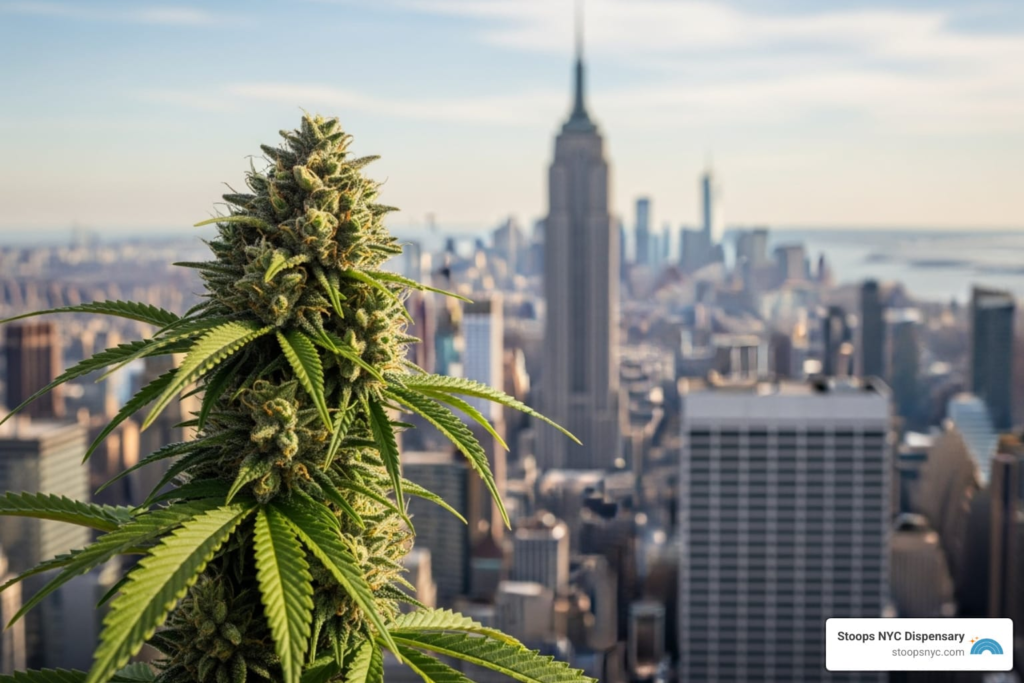
New York has quickly become one of the nation’s largest emerging legal cannabis markets. After legalizing adult-use cannabis in 2021, the state established a comprehensive regulatory system designed to support consumers, licensed businesses, and social equity entrepreneurs.
Today, New York’s cannabis industry includes licensed cultivators, processors, distributors, retail dispensaries, delivery services, and consumption businesses operating under oversight from the New York State Office of Cannabis Management (OCM).
Whether you’re interested in growing cannabis at home, purchasing from licensed dispensaries, or learning about New York’s commercial cannabis industry, this guide covers the laws and regulations you should know.
🌿 Quick Facts
✅ Recreational cannabis is legal for adults 21 years and older
✅ Medical cannabis remains legal
✅ Adults may possess up to 3 ounces of cannabis flower
✅ Adults may possess up to 24 grams of cannabis concentrate
✅ Home cultivation is legal for eligible adults (subject to New York regulations)
✅ Cannabis businesses require state licensing
✅ The Office of Cannabis Management (OCM) regulates New York’s legal cannabis industry
⚖️ The Legal Foundation
New York’s legal cannabis framework is built upon medical cannabis legislation, adult-use legalization, and statewide regulation through the Office of Cannabis Management.
🌿 Compassionate Care Act (2014)
New York first legalized medical cannabis through the Compassionate Care Act, creating a regulated medical marijuana program for qualifying patients.
Over time, the medical program expanded to provide greater patient access and broader physician participation.
🌱 Marijuana Regulation and Taxation Act (MRTA) (2021)
The Marijuana Regulation and Taxation Act (MRTA) legalized recreational cannabis for adults 21 years of age and older.
The law also established:
✔️ Adult-use cannabis sales
✔️ Home cultivation
✔️ Cannabis delivery
✔️ Cannabis consumption lounges
✔️ Social and economic equity programs
✔️ Automatic expungement for many eligible cannabis offenses
MRTA remains the foundation of New York’s modern cannabis industry.
🏛️ Office of Cannabis Management (OCM)
The New York State Office of Cannabis Management (OCM) oversees nearly every aspect of the legal cannabis market.
The OCM regulates:
🌱 Cultivation
🏭 Processing
🚚 Distribution
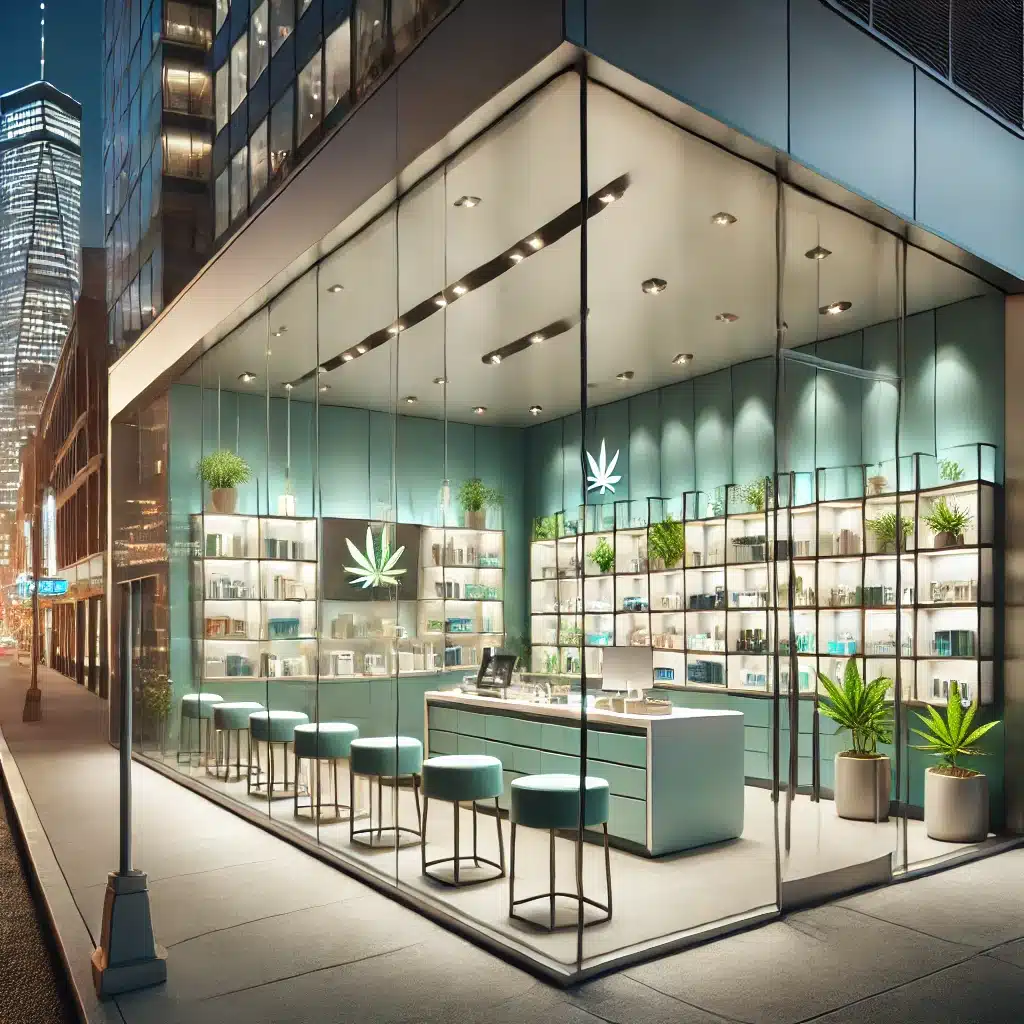
🏪 Retail dispensaries
🚗 Cannabis delivery
🧪 Laboratory testing
🌿 Adult-use consumption sites
Medical cannabis businesses also operate under the state’s regulatory framework administered by the OCM.
📋 Cannabis Control Board (CCB)
Working alongside the Office of Cannabis Management is the Cannabis Control Board (CCB).
The Board is responsible for approving regulations, licensing decisions, and major policy initiatives affecting New York’s cannabis industry.
Together, the OCM and CCB oversee one of the most comprehensive cannabis regulatory systems in the United States.
🌿 Know Before Starting a Cannabis Business
Receiving a cannabis license in New York requires meeting extensive state licensing requirements. Local municipalities may also regulate where licensed cannabis businesses can operate through zoning and local participation rules.

📊 New York Cannabis Timeline
| Year | Major Event |
|---|---|
| 2014 | Compassionate Care Act legalizes medical cannabis |
| 2021 | Marijuana Regulation and Taxation Act (MRTA) legalizes adult-use cannabis |
| 2022 | Adult-use cannabis licensing begins |
| 2022 | First legal adult-use dispensary licenses approved |
| 2023 | Licensed recreational dispensaries begin expanding across New York |
| 2024–2026 | Continued market expansion, additional licensing, enforcement against illicit operators, and industry growth |
🌎 Why New York Matters
New York is one of the largest cannabis markets in the United States.
With millions of residents, one of the world’s most recognizable tourism destinations, and an expanding legal marketplace, New York continues to play a major role in shaping the future of the U.S. cannabis industry.
As more dispensaries, cultivators, processors, and delivery businesses become licensed, consumers have increasing access to regulated cannabis products while businesses continue navigating one of the country’s newest legal cannabis markets.
🌱 For Growers & Cultivators
Whether you’re growing cannabis for personal use or planning to become a licensed cultivator, New York has established rules governing home cultivation, commercial growing, licensing, and regulatory compliance.
Understanding these requirements is essential for staying compliant with New York law.
🏡 Personal (Non-Commercial) Home Grow
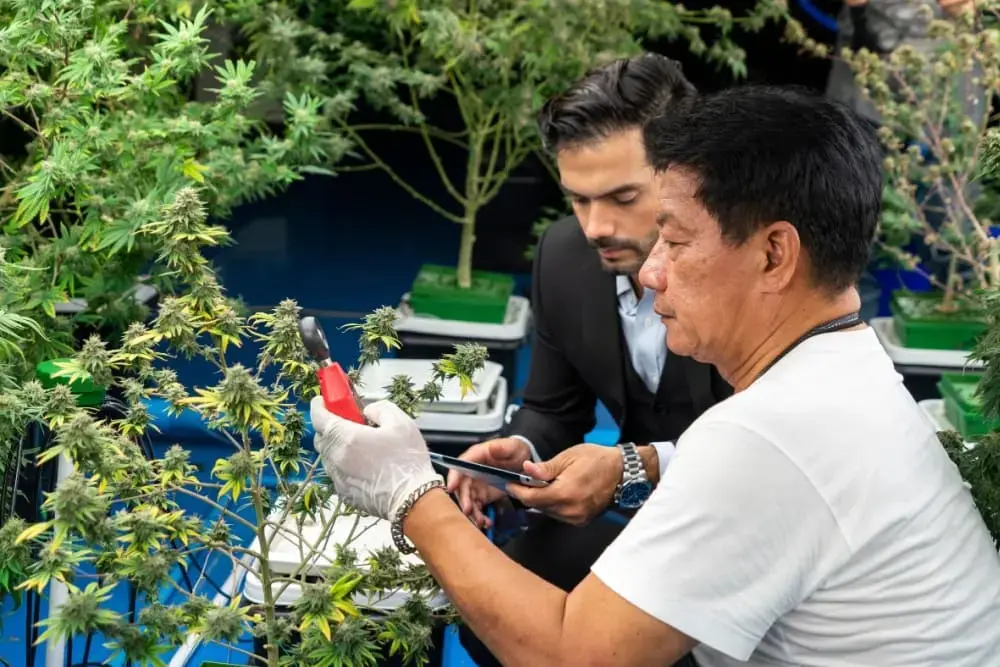
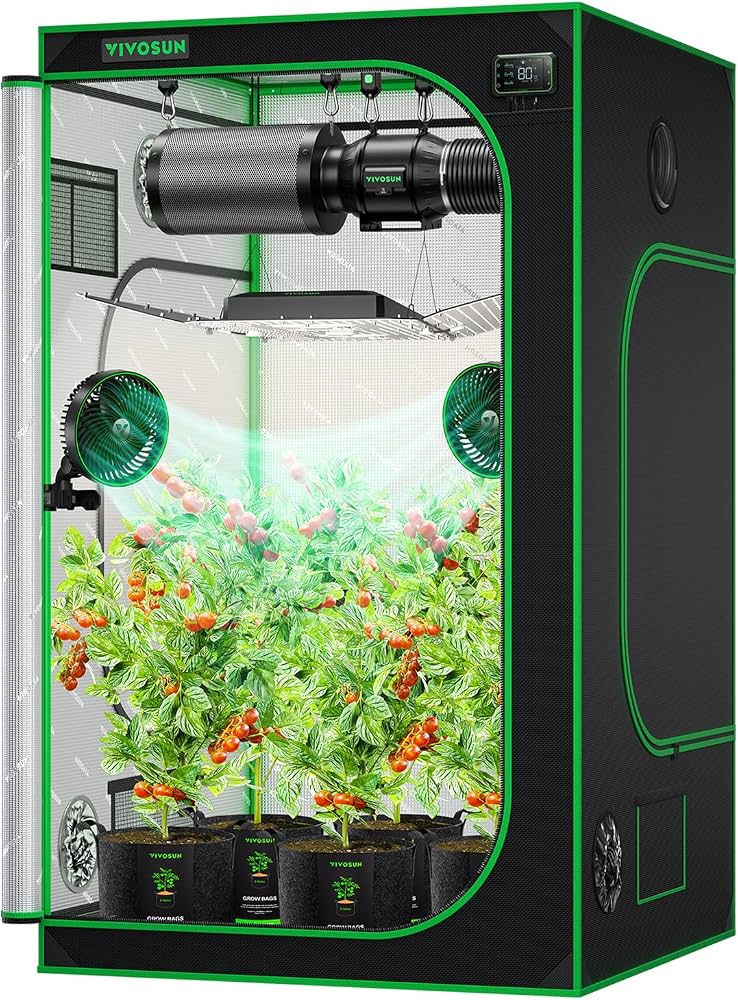
New York allows eligible adults 21 years of age and older to cultivate cannabis for personal use, provided they follow state regulations.
Home cultivation is intended for personal consumption only and does not authorize the sale of cannabis.
🌿 Home Grow Rules
Eligible adults may generally grow:
✅ Up to 6 cannabis plants per person
• Maximum of 3 mature (flowering) plants
• Maximum of 3 immature (non-flowering) plants
🏠 A residence with two or more eligible adults may grow:
✅ Up to 12 total plants
• Maximum of 6 mature plants
• Maximum of 6 immature plants
🔒 Home Cultivation Requirements
Home growers should:
✔️ Keep plants in a secure location
✔️ Prevent access by anyone under 21 years of age
✔️ Follow all applicable state regulations
✔️ Comply with any applicable local building or housing requirements
✔️ Never exceed New York’s legal plant limits
🌿 Know Before You Grow
Home cultivation is for personal use only. Selling cannabis grown at home without the appropriate licenses is illegal under New York law.
⚠️ Important Things to Remember
Even though home cultivation is legal, it does not mean every activity is permitted.
Home growers should avoid:
❌ Selling homegrown cannabis
❌ Growing more than the legal plant limit
❌ Allowing unauthorized access to plants
❌ Violating local safety or housing requirements
Failure to comply with New York cannabis laws may result in civil or criminal penalties depending on the circumstances.
🏭 Commercial Cannabis Cultivation
Anyone planning to cultivate cannabis for commercial sale must obtain the appropriate licenses before beginning operations.
Commercial cultivation is regulated by the New York State Office of Cannabis Management (OCM).
Operating without the required licenses may lead to significant penalties, including fines and enforcement actions.
🌱 Commercial Cultivation License Types
New York offers several license categories depending on the type and size of the business.
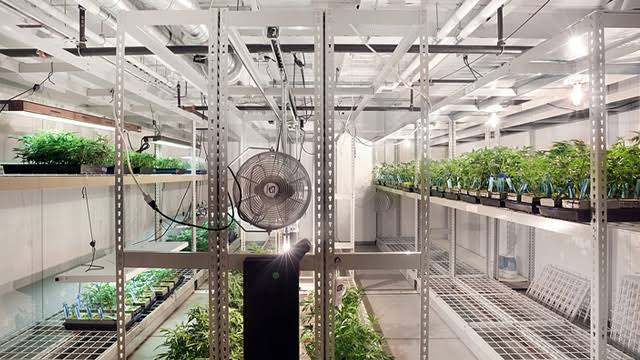
Commercial cultivation may include:
🌿 Indoor cultivation
☀️ Outdoor cultivation
🏡 Greenhouse cultivation
🌱 Nursery operations
Different license classes are designed to accommodate businesses of varying sizes while maintaining regulatory oversight.
📋 Licensing Requirements
Applicants seeking cultivation licenses generally must:
✅ Submit an application to the Office of Cannabis Management
✅ Meet ownership and financial disclosure requirements
✅ Pass required background reviews where applicable
✅ Comply with zoning and facility requirements
✅ Follow security and recordkeeping regulations
✅ Participate in New York’s cannabis tracking system
Licenses are subject to ongoing inspections and regulatory compliance.
⚖️ Compliance Reminder
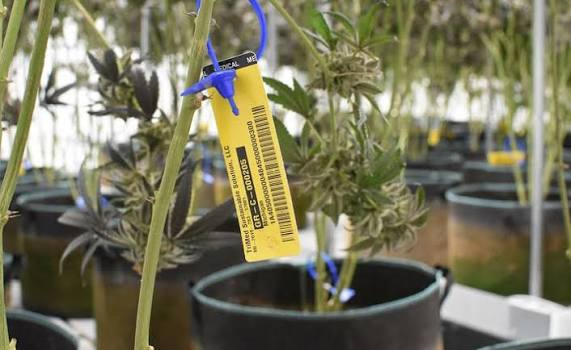
Licensed cannabis businesses are responsible for maintaining accurate inventory records and complying with all state regulations governing cultivation, security, testing, and product movement.
🌎 Environmental & Operational Responsibilities
Licensed cultivators are expected to operate responsibly while protecting public health and the environment.
Operational responsibilities commonly include:
💧 Water management
🌿 Approved agricultural practices
🧪 Product safety compliance
⚡ Electrical and fire safety
📦 Secure storage procedures
🏢 Building code compliance
📋 Accurate inventory reporting
Responsible cultivation helps maintain product quality while supporting New York’s regulated cannabis industry.
🤝 Social & Economic Equity
One of the defining features of New York’s cannabis industry is its emphasis on social and economic equity.
State regulators have created programs intended to expand opportunities for individuals and communities disproportionately affected by past cannabis enforcement.
Depending on future licensing opportunities, applicants may qualify for programs designed to promote broader participation in New York’s legal cannabis marketplace.
📈 Industry Developments
New York’s cannabis industry continues to grow rapidly.
Current areas of focus include:
📈 Expansion of licensed cultivation
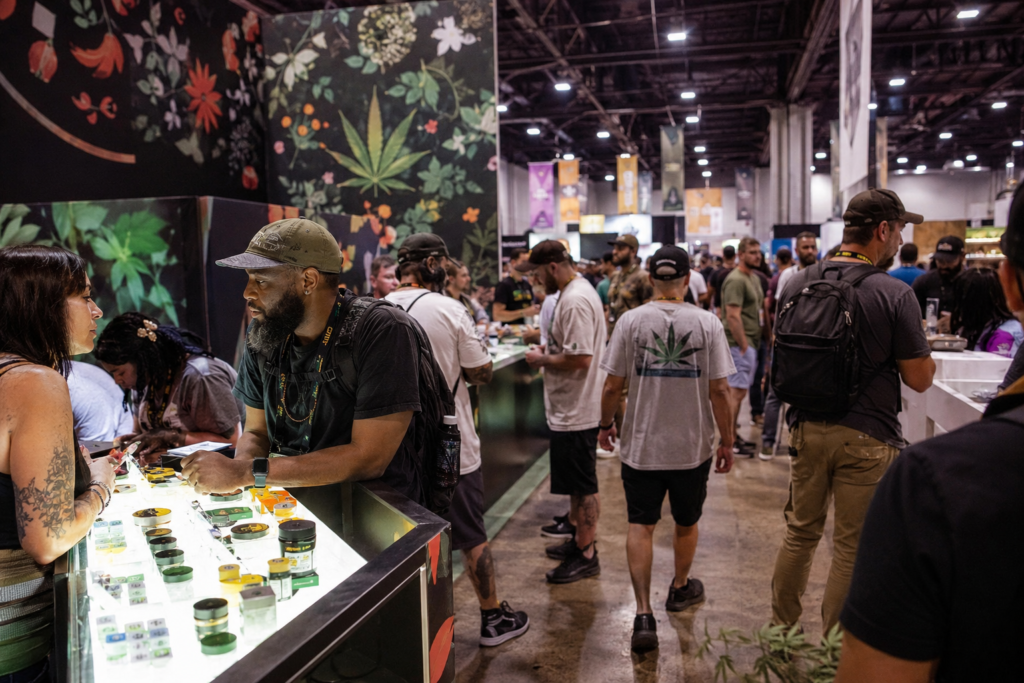
🏪 Growth of licensed retail dispensaries
🚚 Increased delivery services
🧪 Continued improvements to product testing and consumer safety
🚔 Enforcement actions against illicit cannabis businesses
⚖️ Ongoing updates to regulations issued by the Office of Cannabis Management
Businesses should regularly monitor updates from the New York State Office of Cannabis Management (OCM) to remain compliant as regulations continue to evolve.
🌿 RollersDaily Pro Tip
Successful cultivation involves much more than growing cannabis. Compliance, security, recordkeeping, environmental responsibility, and staying informed about regulatory changes are all essential for long-term success.
📌 Quick Takeaways
✅ Eligible adults may legally grow cannabis for personal use within New York’s plant limits.
✅ Home cultivation is intended for personal use—not commercial sales.
✅ Commercial cultivation requires licensing through the Office of Cannabis Management.
✅ Licensed cultivators must follow strict security, inventory, and compliance requirements.
✅ New York continues expanding its legal cannabis industry through new licensing opportunities and regulatory updates.
🛒 For Consumers
Whether you’re a New York resident or visiting from another state, understanding New York’s cannabis laws can help you purchase, possess, and consume cannabis legally and responsibly.
New York permits both medical and adult-use (recreational) cannabis, with regulations designed to promote public safety while providing access to licensed cannabis products.
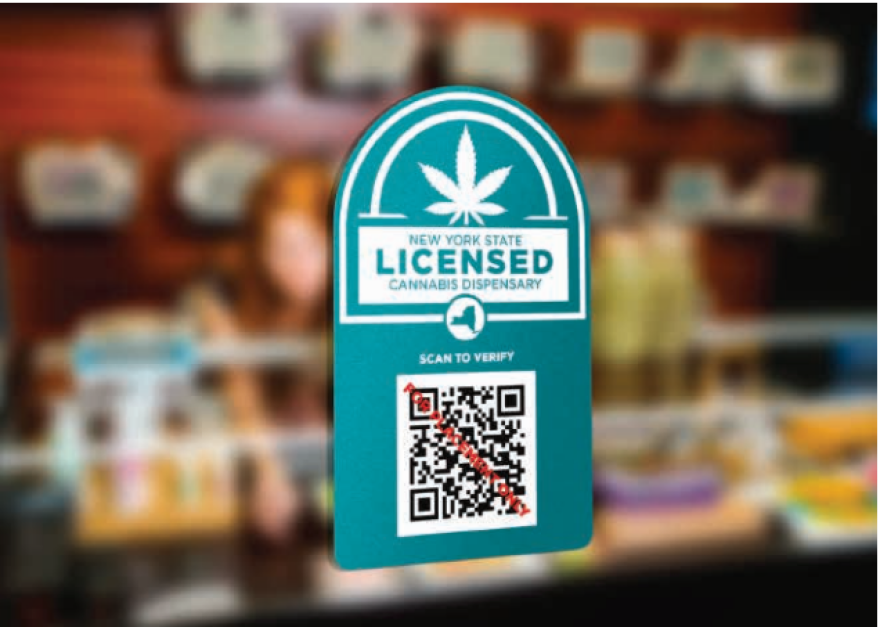
👤 Who Can Buy Cannabis?
Adults 21 years of age and older may legally purchase recreational cannabis from licensed dispensaries throughout New York.
Medical cannabis remains available to qualifying patients through New York’s Medical Cannabis Program.
🌿 Adult-Use (Recreational)
To purchase recreational cannabis, you must:
✅ Be at least 21 years old
✅ Present a valid government-issued photo ID
✅ Purchase from a licensed New York dispensary
Both New York residents and visitors who meet the age requirement may legally purchase adult-use cannabis.
🩺 Medical Cannabis
Qualified patients enrolled in New York’s Medical Cannabis Program may purchase cannabis from licensed medical dispensaries.
Medical patients may receive benefits such as:
🌿 Access to medical cannabis products
💰 Potential tax or pricing advantages
📋 Expanded product availability
Patients should consult their healthcare provider regarding eligibility and participation in New York’s medical cannabis program.
🌿 Know Before You Visit
Licensed dispensaries are required to verify your age before completing a recreational cannabis sale. Always bring a valid government-issued photo ID.

⚖️ Possession Limits
New York law establishes possession limits for adults who are 21 years of age and older.
Adults may legally possess:
🌿 Up to 3 ounces (85 grams) of cannabis flower
🧪 Up to 24 grams of concentrated cannabis
Possessing more than the legal limit may result in penalties under New York law.
🌱 Home Storage
Adults may store larger amounts of cannabis at their residence if it has been legally obtained or legally cultivated in accordance with New York law.
Cannabis should always be stored safely and kept away from children and pets.
🎁 Gifting Cannabis
New York allows adults 21 years and older to give cannabis to another adult without receiving payment or compensation.
✅ Gifting is legal
❌ Selling cannabis without a license is illegal
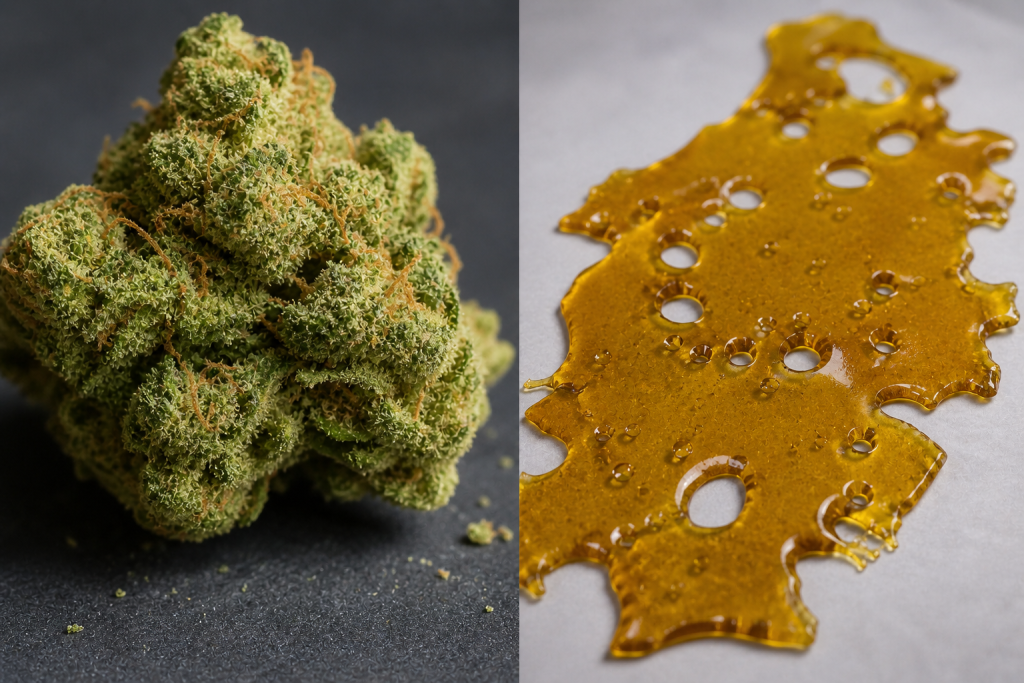
🏪 Purchasing Cannabis
Cannabis may only be purchased from licensed New York dispensaries.
Licensed retailers must comply with state regulations covering:
🏪 Retail operations
🧪 Product testing
🏷️ Packaging and labeling
📦 Inventory tracking
🔒 Security requirements
Purchasing from licensed businesses helps ensure products have been tested and meet New York’s safety standards.
🚚 Cannabis Delivery
New York permits licensed cannabis delivery services.
Deliveries must:
✅ Be completed by licensed cannabis businesses
✅ Verify the customer’s age and identity
✅ Comply with Office of Cannabis Management regulations
Availability may vary depending on the licensed businesses operating in your area.
⚠️ Important
Always order cannabis from licensed New York dispensaries or licensed delivery services. Purchasing from unlicensed businesses may expose consumers to untested products and legal risks.
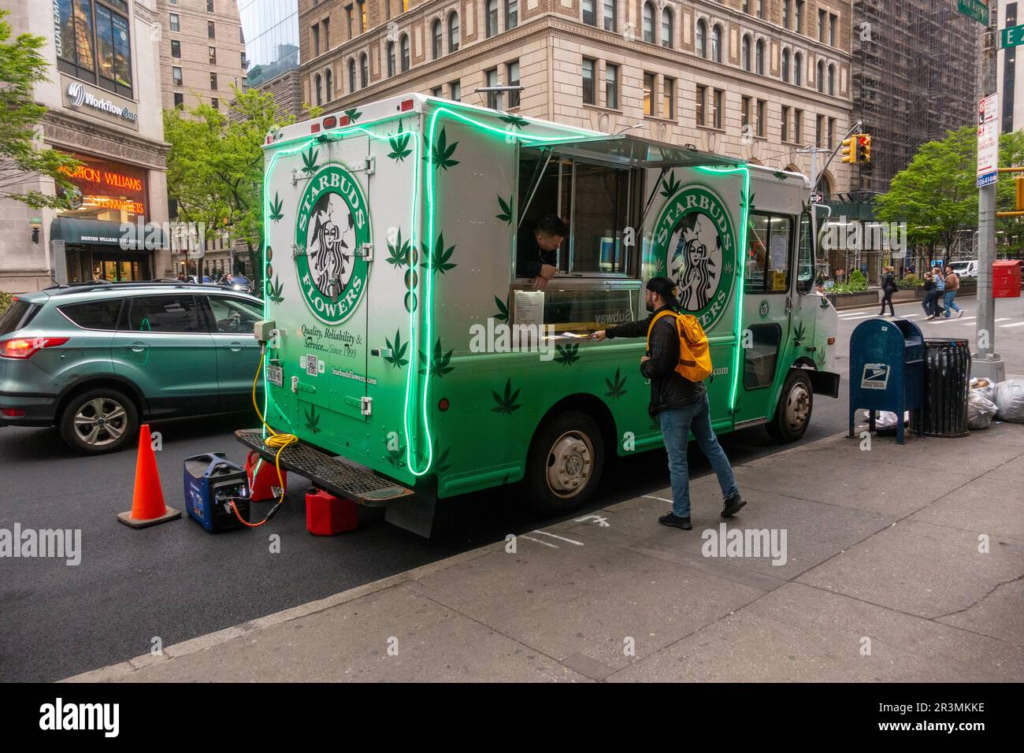
🧪 Product Testing & Consumer Safety
Every cannabis product sold through New York’s licensed market must undergo testing before reaching consumers.
Testing may include:
🔬 Potency verification
☣️ Pesticide screening
⚙️ Heavy metal testing
🧪 Residual solvent testing
🦠 Microbial contamination screening
Licensed laboratories help ensure products meet New York’s safety and quality standards before retail sale.
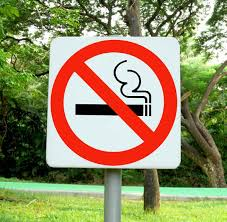
🚭 Where Can You Consume Cannabis?
New York generally allows cannabis consumption in locations where tobacco smoking is permitted, while prohibiting it in places where smoking is already banned under state law.
Generally permitted (where otherwise allowed):
🏠 Private residences (with property owner permission)
🚶 Certain outdoor public areas where tobacco smoking is permitted
Generally prohibited:
🚭 Schools
🚭 Public transportation
🚭 Most indoor workplaces
🚭 Restaurants
🚭 Bars
🚭 Federal property
🚭 Locations where smoking is prohibited under New York’s Clean Indoor Air Act
Property owners, landlords, employers, and hotels may establish additional restrictions regarding cannabis use on their property.
⚠️ Public Consumption Reminder
Although New York permits cannabis use in some public outdoor areas, many local rules and smoke-free laws still apply. Always respect posted restrictions and private property policies.
🚗 Driving & Cannabis
Driving while impaired by cannabis is illegal in New York.
Never operate:
🚗 Cars
🏍️ Motorcycles
🚚 Commercial vehicles
🚲 Any vehicle while impaired
Law enforcement officers may investigate suspected impaired driving using established legal procedures.
⚠️ Safety Reminder
If you plan to consume cannabis, arrange safe transportation before using cannabis products. Never drive while impaired.
💰 Cannabis Taxes
Adult-use cannabis purchases in New York include state taxes and may also include applicable local taxes.
Cannabis tax revenue helps fund programs related to:
🏫 Education
🏘️ Community reinvestment
🚔 Public safety
🌿 Cannabis administration and regulation
Tax rates and pricing may change over time as New York’s cannabis market continues to develop.
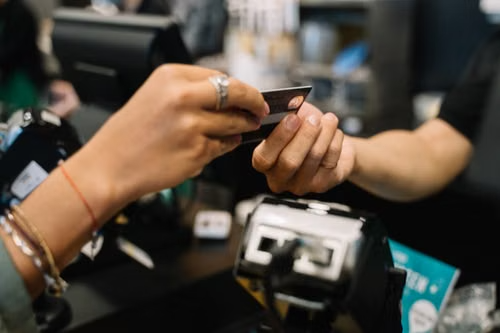
📌 Consumer Tips
Before visiting a dispensary:
✅ Bring a valid government-issued photo ID
✅ Purchase only from licensed dispensaries
✅ Store cannabis safely at home
✅ Keep products sealed while transporting them
✅ Follow local smoking and consumption rules
✅ Consume responsibly
🌿 Quick Takeaways
✅ Adults 21+ may legally purchase recreational cannabis.
✅ Adults may possess up to 3 ounces of cannabis flower and 24 grams of concentrate.
✅ Licensed dispensaries and licensed delivery services are the safest legal sources for cannabis.
✅ Public consumption rules vary depending on where tobacco smoking is permitted.
✅ Driving while impaired by cannabis remains illegal.
🚚 For Distributors
Distributors play a critical role in New York’s regulated cannabis industry by helping move cannabis products safely and legally between licensed businesses. Every transfer of cannabis through the legal market is subject to strict licensing, inventory tracking, security, and compliance requirements established by the New York State Office of Cannabis Management (OCM).
Whether you’re transporting products, managing inventory, or operating a wholesale cannabis business, understanding New York’s distribution laws is essential.
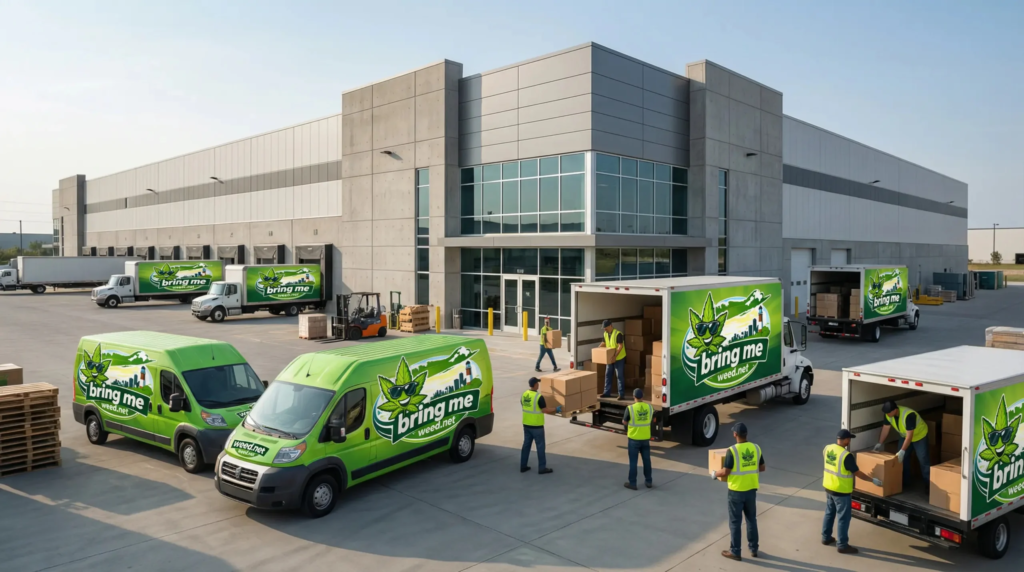
🌿 New York’s Cannabis Supply Chain
Before cannabis reaches consumers, it typically passes through several licensed businesses.
Typical Supply Chain
🌱 Cultivator
⬇️
🏭 Processor
⬇️
🚚 Distributor
⬇️
🏪 Licensed Retail Dispensary
⬇️
👤 Consumer
Every stage of this process is regulated by the Office of Cannabis Management to help maintain product quality, accountability, and public safety.
🚛 Distributor License
Businesses that wholesale cannabis products between licensed cannabis businesses must obtain the appropriate licenses from the New York State Office of Cannabis Management (OCM).
Licensed distributors may transport cannabis between:
🌱 Licensed cultivators
🏭 Licensed processors
🧪 Licensed testing laboratories
🏪 Licensed dispensaries
🚚 Other authorized cannabis license holders
Cannabis may only move through New York’s legal supply chain using properly licensed businesses.
📦 Distribution vs. Delivery
Although the terms are often confused, distribution and delivery serve different purposes.
| 🚚 Distribution | 🚗 Delivery |
|---|---|
| Between licensed cannabis businesses | Directly to consumers |
| Wholesale movement of cannabis products | Retail purchases delivered to customers |
| Requires state licensing | Must be performed by licensed retailers or authorized delivery operators |
| Part of the regulated supply chain | Final step before the consumer receives the product |
🌿 Know the Difference
Distributors move cannabis between licensed businesses, while delivery services transport cannabis directly to eligible consumers after a legal retail purchase.
📋 Inventory Tracking & Compliance
New York requires licensed cannabis businesses to participate in the state’s official seed-to-sale tracking system, allowing regulators to monitor cannabis throughout the legal marketplace.
Businesses are generally responsible for tracking:
🌱 Plant cultivation
🏷️ Product identification
📦 Packaging
🚚 Transfers between licensed businesses
🏪 Retail inventory
🗑️ Product destruction and waste
Accurate inventory reporting helps prevent diversion into the illicit market while supporting consumer safety.
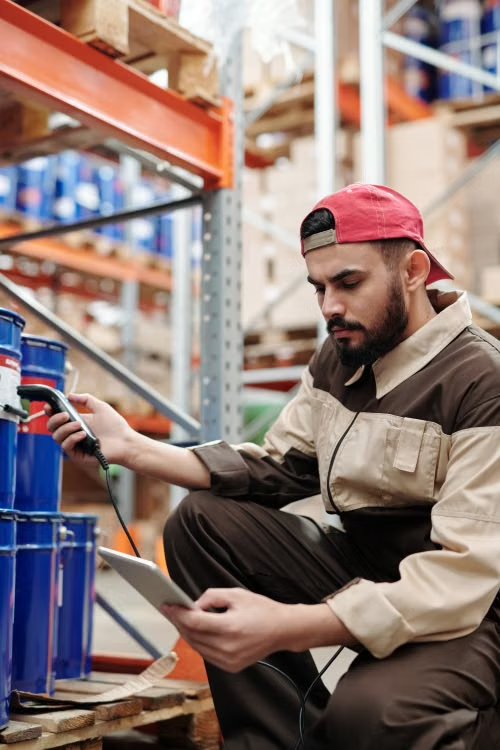
🧪 Product Testing
Before cannabis products may be sold to consumers, they must successfully complete New York’s required laboratory testing.
Testing may include:
🔬 Potency verification
☣️ Pesticide screening
⚙️ Heavy metal testing
🧪 Residual solvent analysis
🦠 Microbial contamination testing
Only products that meet New York’s testing standards may enter the licensed retail market.
🔒 Security Requirements
Licensed cannabis businesses are expected to maintain strong security and operational controls.
Common requirements include:
📹 Security camera systems
🔐 Secure storage areas
📋 Inventory reconciliation
🚚 Transportation documentation
🏢 Facility inspections
📚 Record retention
These safeguards help protect consumers, employees, and licensed businesses while maintaining the integrity of New York’s regulated cannabis industry.
📋 Compliance Reminder
Maintaining accurate inventory records, following transportation procedures, and complying with OCM regulations are essential for keeping a cannabis license in good standing.
📝 Licensing Process
Businesses interested in cannabis distribution generally follow these steps:
1️⃣ Determine License Eligibility
Review available license types through the Office of Cannabis Management and identify the license that best matches your business model.
2️⃣ Submit an Application
Applicants must provide business ownership information, financial disclosures, facility details, and other documentation required by the OCM.
3️⃣ Meet Facility Requirements
Distribution facilities must comply with applicable zoning, building, security, and operational standards before beginning business activities.
4️⃣ Complete Regulatory Requirements
Businesses must establish inventory tracking procedures, employee compliance programs, and other operational safeguards required under New York regulations.
5️⃣ Maintain Compliance
Licensed distributors should:
✅ Maintain accurate records
✅ Prepare for inspections
✅ Renew licenses as required
✅ Monitor regulatory updates
✅ Train employees on compliance procedures
📈 Industry Trends
New York’s cannabis industry continues to expand rapidly as more businesses receive licenses and the legal marketplace matures.
Current industry trends include:
📈 Expansion of licensed distributors and wholesalers
🏪 Growth in licensed dispensaries
🚚 Increased delivery availability
🧪 Continued improvements in laboratory testing and consumer safety
🚔 Stronger enforcement against illicit cannabis businesses
🌿 Ongoing licensing opportunities and regulatory updates issued by the Office of Cannabis Management
Businesses should regularly monitor OCM announcements for new regulations and compliance guidance.
🌿 RollersDaily Pro Tip
Successful cannabis distributors focus on more than logistics. Long-term success depends on strong compliance programs, accurate recordkeeping, secure operations, and staying informed about New York’s evolving cannabis regulations.
📌 Distributor Best Practices
Successful distributors typically:
✅ Maintain accurate inventory records
✅ Conduct routine inventory audits
✅ Follow secure transportation procedures
✅ Train employees on compliance requirements
✅ Keep licenses current
✅ Stay informed about changes to New York cannabis laws
🌿 Quick Takeaways
✅ Distributors help move cannabis products safely through New York’s regulated marketplace.
✅ Wholesale distribution requires licensing through the Office of Cannabis Management.
✅ Inventory tracking and compliance are essential throughout the supply chain.
✅ Cannabis products must meet New York’s testing standards before retail sale.
✅ Businesses should remain informed about evolving regulations to maintain compliance.
❓ Frequently Asked Questions (FAQ)
Below are answers to some of the most common questions about New York cannabis laws. These FAQs can help consumers, visitors, and businesses better understand how New York’s regulated cannabis market operates.
🌿 Is recreational cannabis legal in New York?
Yes. Adults 21 years of age and older may legally purchase, possess, and consume cannabis under New York law when obtaining products from licensed businesses.
🪪 Do I need a medical marijuana card?
No.
Adults 21 years and older do not need a medical cannabis card to purchase recreational cannabis.
However, eligible patients may participate in New York’s Medical Cannabis Program, which provides access to medical cannabis products through licensed medical dispensaries.
🌱 How many cannabis plants can I legally grow?
Eligible adults may generally cultivate:
✅ Up to 6 cannabis plants per person
• Maximum of 3 mature plants
• Maximum of 3 immature plants
🏠 Residences with multiple eligible adults may generally cultivate:
✅ Up to 12 total plants
• Maximum of 6 mature plants
• Maximum of 6 immature plants
Home cultivation must comply with New York’s regulations and is intended for personal use only.
🏪 Can tourists buy cannabis in New York?
Yes.
Visitors who are 21 years or older and present valid government-issued identification may legally purchase recreational cannabis from licensed New York dispensaries.
🚚 Does New York allow cannabis delivery?
Yes.
New York allows licensed cannabis retailers to provide delivery services in accordance with Office of Cannabis Management regulations.
Availability may vary depending on the licensed businesses serving your area.
🚭 Can I smoke cannabis in public?
New York generally allows cannabis consumption in places where tobacco smoking is permitted.
However, cannabis consumption is prohibited in locations where smoking is already banned under state law, including many indoor public spaces.
Always check local rules and posted signage before consuming cannabis in public.
🚗 Can I drive after consuming cannabis?
No.
Driving while impaired by cannabis is illegal in New York.
Always arrange safe transportation before consuming cannabis products.
✈️ Can I travel with cannabis?
Although cannabis is legal under New York law, transporting cannabis across state lines or onto federal property remains illegal under federal law.
Travelers should always understand the laws of their destination before transporting cannabis.
🇺🇸 Is cannabis legal on federal property?
No.
Cannabis remains illegal on federal property, including many:
🏞️ National Parks
🏛️ Federal buildings
🎖️ Military installations
✈️ Certain airport and transportation facilities under federal jurisdiction
Federal law applies regardless of New York’s legalization of cannabis.
💳 Can I use a credit card at dispensaries?
Payment options vary by dispensary.
Many licensed dispensaries accept:
💵 Cash
💳 Debit cards
📱 Certain cashless payment methods
Consumers may wish to contact the dispensary before visiting to confirm accepted payment options.

🌿 New York Cannabis at a Glance
| Category | New York Law |
|---|---|
| Recreational Age | 21+ |
| Medical Cannabis | ✅ Yes |
| Recreational Cannabis | ✅ Yes |
| Home Grow | Up to 6 plants per adult (subject to household limits) |
| Flower Possession | Up to 3 ounces |
| Concentrate Possession | Up to 24 grams |
| Licensed Dispensaries | ✅ Yes |
| Delivery | Available through licensed retailers |
| Public Consumption | Permitted where tobacco smoking is allowed, subject to state and local restrictions |
| Driving While Impaired | Illegal |
🌿 Key Takeaways
New York has one of the fastest-growing regulated cannabis industries in the United States.
As the market continues expanding, consumers and businesses should stay informed about changing regulations while supporting licensed cannabis operators.
Remember:
✅ Purchase only from licensed dispensaries
✅ Stay within legal possession limits
✅ Follow New York’s home cultivation rules
✅ Consume responsibly
✅ Never drive while impaired
✅ Stay informed about future regulatory updates
🌿 RollersDaily Tip
Cannabis laws continue to evolve as New York’s legal marketplace expands. Always verify current regulations through the New York State Office of Cannabis Management before making important legal or business decisions.
📍 Explore New York Cannabis with RollersDaily
Looking for trusted cannabis resources across New York?
RollersDaily helps connect consumers with licensed cannabis businesses while providing educational resources and industry news.
🏪 Find Licensed New York Dispensaries
Discover licensed dispensaries throughout New York.
➡️ Browse New York Dispensaries
💰 Explore Cannabis Deals
Find promotions and special offers from participating licensed dispensaries.
➡️ View New York Cannabis Deals
📅 Discover Cannabis Events
Stay informed about cannabis expos, educational seminars, networking events, festivals, and community gatherings happening across New York.
➡️ Browse New York Cannabis Events
📰 Read the Latest Cannabis News
Follow breaking cannabis news, legislation updates, product launches, business developments, and industry trends.
➡️ Read New York Cannabis News

🌎 Explore More State Cannabis Guides
Planning a trip or researching cannabis laws in other states?
Continue exploring RollersDaily’s growing cannabis law library.
🌴 California Cannabis Laws
🏔️ Colorado Cannabis Laws
🌵 Arizona Cannabis Laws
🎰 Nevada Cannabis Laws
🌲 Oregon Cannabis Laws
(Add internal links as additional state guides are published.)
⭐ Stay Connected with RollersDaily
Follow RollersDaily for:
📰 Daily cannabis news
🏪 Verified dispensary listings
💰 Exclusive deals
📅 Cannabis events
🌿 Educational cannabis resources
📈 Marketing insights for cannabis businesses
Thanks for Reading!
Whether you’re visiting New York, a longtime resident, or a cannabis industry professional, we hope this guide has helped you better understand New York’s cannabis laws and regulations.
Bookmark this page, share it with others, and check back regularly as New York’s cannabis industry continues to evolve.
Last Updated: July 2026
⚖️ Disclaimer
The information provided on this page is for general informational and educational purposes only and should not be considered legal, financial, medical, or professional advice. While RollersDaily strives to keep information accurate and up to date, cannabis laws and regulations frequently change at the federal, state, and local levels. Readers should verify current laws with the appropriate government agencies or consult a qualified attorney before making legal, business, or compliance decisions.
RollersDaily does not sell, distribute, manufacture, or facilitate the sale of cannabis products. Any dispensaries, businesses, products, or services featured on this website are presented for informational and directory purposes only. Visitors are responsible for complying with all applicable laws in their jurisdiction.