🌲 Washington Cannabis Laws & Regulations
A Complete Guide for Growers, Consumers, and Distributors
Last Updated: July 2026 • RollersDaily.com
🌿 Washington Cannabis Laws & Regulations
📍 Looking for licensed Washington dispensaries?
Browse verified dispensaries, cannabis deals, local events, and the latest cannabis news on RollersDaily.com.
⚖️ Disclaimer
This guide is provided for informational and educational purposes only and should not be considered legal advice. Cannabis laws may change through new legislation, court decisions, or regulatory updates. Always verify current requirements with the Washington State Liquor and Cannabis Board (WSLCB) or consult a qualified attorney before making legal or business decisions.
🌲 Washington’s Cannabis Industry at a Glance
Washington made history alongside Colorado by becoming one of the first two states to legalize recreational cannabis for adults through Initiative 502 (I-502) in 2012.
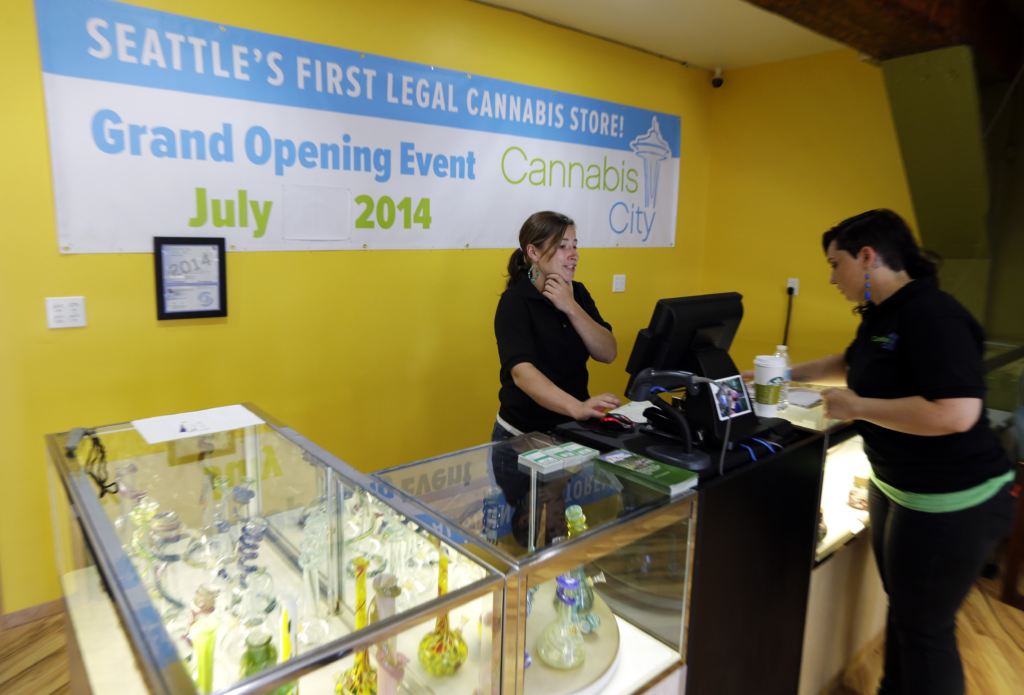
Licensed adult-use cannabis sales officially began in July 2014, creating one of the first fully regulated recreational cannabis markets in the United States.
Today, Washington operates one of the country’s most established cannabis industries, with licensed cultivators, processors, testing laboratories, retailers, and transporters operating under comprehensive state regulations.
Whether you’re a consumer, business owner, or simply curious about Washington cannabis laws, this guide explains what you need to know.
🌿 Quick Facts
✅ Recreational cannabis is legal for adults 21 years and older
✅ Medical cannabis remains legal
✅ Adults may possess up to 1 ounce (28 grams) of usable cannabis
✅ Adults may possess up to 16 ounces of cannabis-infused products in solid form
✅ Adults may possess up to 72 ounces of cannabis-infused liquids
✅ Adults may possess up to 7 grams of cannabis concentrate
❌ Home cultivation for recreational use is not legal
✅ The Washington State Liquor and Cannabis Board (WSLCB) regulates Washington’s legal cannabis industry.
⚖️ The Legal Foundation
Washington’s legal cannabis industry is built upon medical cannabis legislation, voter-approved recreational legalization, and a comprehensive statewide licensing system.
🌿 Medical Cannabis (1998)
Washington legalized medical cannabis in 1998 through Initiative 692, allowing qualifying patients to use cannabis for approved medical conditions.
The state’s medical cannabis system has continued to evolve and now operates alongside Washington’s adult-use cannabis market.
🌱 Initiative 502 (2012)
In November 2012, Washington voters approved Initiative 502 (I-502).
The initiative legalized recreational cannabis for adults 21 years of age and older and established Washington’s regulated cannabis marketplace.
The law also created:
✅ Licensed cannabis producers
✅ Licensed processors
✅ Licensed retailers
✅ Product testing requirements
✅ State taxation and regulatory oversight
Adult-use cannabis sales officially began in July 2014.
🏛️ Washington State Liquor and Cannabis Board (WSLCB)
The Washington State Liquor and Cannabis Board (WSLCB) is responsible for regulating Washington’s legal cannabis industry.
The WSLCB oversees:
🌱 Cannabis cultivation
🏭 Cannabis processing
🏪 Retail dispensaries
🚚 Transportation between licensed businesses
📦 Inventory tracking
🔒 Licensing and enforcement
The agency works with other state agencies to help ensure product safety, regulatory compliance, and consumer protection.
🧪 Product Safety & Testing
Washington requires cannabis products sold through licensed retailers to undergo laboratory testing before being offered to consumers.
Testing requirements help verify:
🔬 Potency
☣️ Pesticides (where applicable)
⚙️ Residual solvents
🦠 Microbial contaminants
🏷️ Accurate labeling
These standards help improve product quality and consumer confidence.
🌿 Know Before Starting a Cannabis Business
Cannabis businesses in Washington generally require licensing through the Washington State Liquor and Cannabis Board. Local governments may also regulate zoning, business operations, and land use, so prospective business owners should review both state and local requirements before applying.
📊 Washington Cannabis Timeline
| Year | Major Event |
|---|---|
| 1998 | Initiative 692 legalizes medical cannabis |
| 2012 | Initiative 502 legalizes recreational cannabis |
| 2014 | Licensed recreational cannabis sales begin |
| 2015 | Medical and recreational regulatory systems begin integrating |
| 2021–2026 | Continued market growth, regulatory updates, and enforcement against illicit cannabis operations |
🌎 Why Washington Matters
Washington helped pioneer the modern legal cannabis industry in the United States.
As one of the nation’s oldest regulated adult-use markets, Washington has helped shape cannabis policy, product safety standards, licensing practices, and retail operations that many other legal states have since adopted.
Its mature marketplace, experienced operators, and strong regulatory framework continue to make Washington one of the country’s most influential cannabis markets.
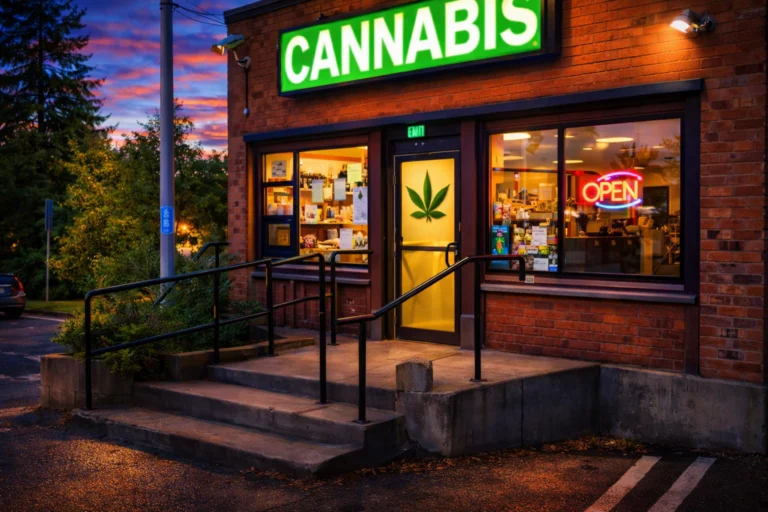
🌱 For Growers & Cultivators
Washington has one of the most unique cannabis cultivation systems in the United States. While commercial cultivation is legal under state licensing, recreational home cultivation is currently prohibited. Home growing is generally limited to qualified medical cannabis patients and designated providers who meet Washington’s medical cannabis requirements.
Understanding these rules is essential for anyone interested in growing cannabis legally in Washington.
🏡 Home Cultivation
Unlike many legal cannabis states, Washington does not allow recreational home growing for adults 21 and older.
Home cultivation is generally limited to:
🌿 Qualified medical cannabis patients
👨⚕️ Designated medical cannabis providers
Both must have valid medical authorization under Washington law.
🌿 Medical Patient Home Grow
Qualified patients may legally cultivate cannabis at home, but the number of plants allowed depends on whether they participate in the state’s Medical Cannabis Authorization Database.
Registered Patients (Recognition Card Holders)
Generally may:
✅ Grow up to 6 plants
✅ Possess up to 8 ounces of usable cannabis produced from those plants
A healthcare practitioner may authorize up to 15 plants when medically necessary.
Patients With an Authorization but Without a Recognition Card
Generally may:
✅ Grow up to 4 plants
✅ Possess up to 6 ounces of usable cannabis produced from those plants
Regardless of authorization, no more than 15 plants may generally be grown in a single housing unit unless a lawful medical cooperative applies.
🌿 Know Before You Grow
Recreational home cultivation is not currently legal in Washington. If you’re not a qualified medical cannabis patient or designated provider, growing cannabis at home remains prohibited under current state law.
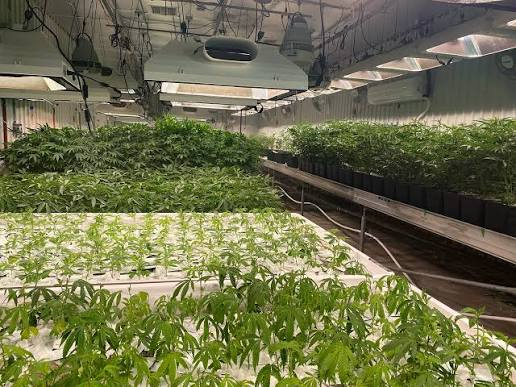
⚠️ Important Things to Remember
Washington home growers should avoid:
❌ Growing cannabis without medical authorization
❌ Exceeding authorized plant limits
❌ Allowing unauthorized access to plants
❌ Selling homegrown cannabis without state licensing
Violations may result in civil or criminal penalties depending on the circumstances.
🏭 Commercial Cannabis Cultivation
Businesses growing cannabis for commercial sale must obtain the appropriate producer license through the Washington State Liquor and Cannabis Board (WSLCB).
Commercial producers may cultivate cannabis only after receiving state approval and complying with all applicable regulations.
Operating a commercial cultivation business without proper licensing is illegal.
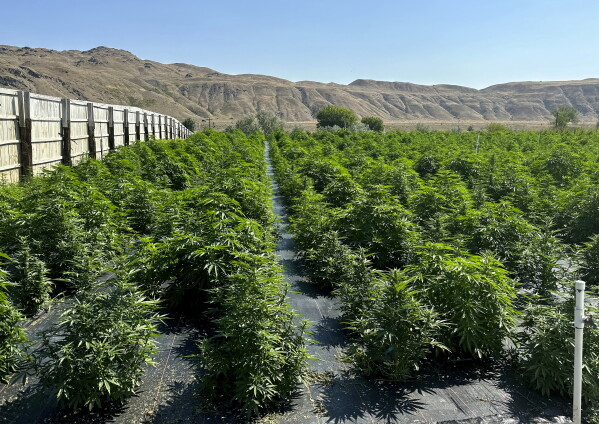
🌱 Producer License
Washington refers to commercial cultivators as licensed producers.
Licensed producers may cultivate cannabis for transfer to licensed processors or, if separately licensed, process their own products.
Commercial cultivation is subject to strict oversight involving:
🌱 Cultivation practices
🔒 Facility security
📦 Inventory tracking
🧪 Product testing
🏢 Inspections
📋 Recordkeeping
📋 Licensing Requirements
Commercial producers generally must:
✅ Obtain a producer license from the WSLCB
✅ Meet ownership and financial disclosure requirements
✅ Comply with zoning and land-use requirements
✅ Maintain required security systems
✅ Participate in Washington’s cannabis inventory tracking system
✅ Submit to inspections and ongoing regulatory oversight
📋 Compliance Reminder
Licensed cannabis producers are responsible for maintaining accurate inventory records, complying with Washington State Liquor and Cannabis Board regulations, and following all product tracking and security requirements.
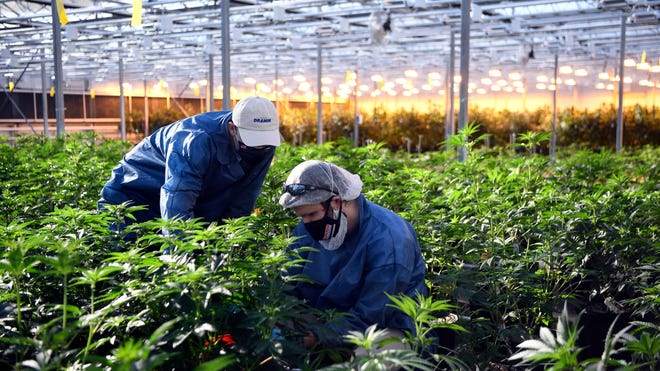
🌎 Environmental & Operational Responsibilities
Licensed cannabis producers are expected to operate responsibly while protecting consumers and the environment.
Operational responsibilities commonly include:
💧 Water conservation
🌿 Responsible pesticide use
⚡ Electrical and fire safety
🧪 Product testing compliance
📦 Secure storage
🏢 Building code compliance
📋 Accurate inventory reporting
Maintaining these standards helps preserve Washington’s regulated cannabis marketplace.
📈 Industry Developments
Washington’s cannabis industry continues to evolve through regulatory updates and legislative proposals.
Recent areas of focus include:
📈 Continued improvements in product safety
🧪 Expanded laboratory testing standards
🏪 Ongoing development of licensed cannabis businesses
🚔 Enforcement against illicit cannabis operations
🏛️ Legislative proposals regarding recreational home cultivation (which, as of July 2026, have not become law).
🌿 RollersDaily Pro Tip
Washington has one of the country’s most established regulated cannabis markets. Staying compliant with licensing, inventory tracking, and WSLCB regulations is just as important as producing high-quality cannabis.
📌 Quick Takeaways
✅ Recreational home cultivation is not currently legal in Washington.
✅ Qualified medical patients may grow cannabis under Washington’s medical cannabis laws.
✅ Commercial cultivation requires licensing through the Washington State Liquor and Cannabis Board.
✅ Licensed producers must comply with inventory tracking, security, testing, and regulatory requirements.
✅ Washington continues to review cannabis policy through legislative proposals and regulatory updates.
🛒 For Consumers
Whether you’re a Washington resident or visiting from another state, understanding Washington’s cannabis laws can help you purchase, possess, and consume cannabis legally and responsibly.
Washington permits both medical and adult-use (recreational) cannabis, with one of the nation’s oldest regulated recreational markets.
👤 Who Can Buy Cannabis?
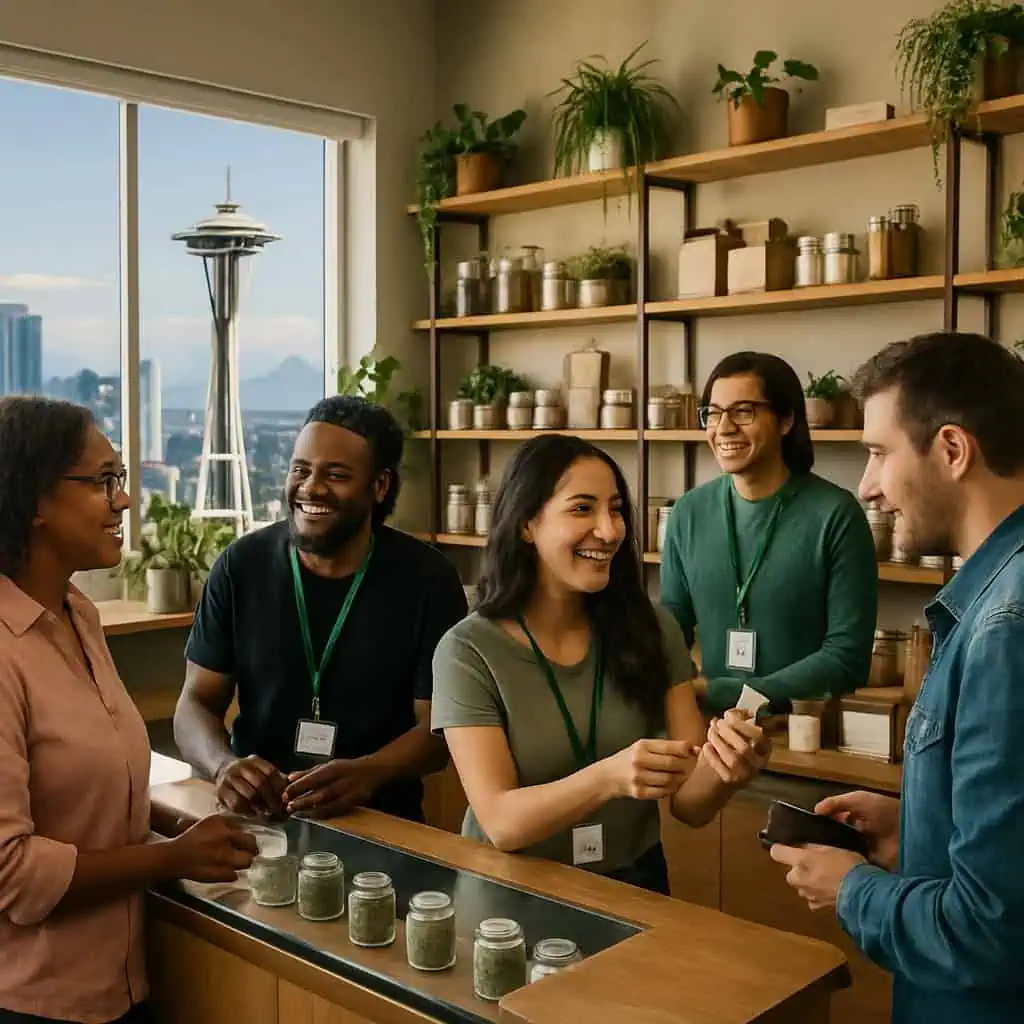
Adults 21 years of age and older may legally purchase recreational cannabis from licensed Washington cannabis retailers.
Medical cannabis remains available to qualifying patients under Washington’s medical cannabis program.
🌿 Adult-Use (Recreational)
To purchase recreational cannabis, you must:
✅ Be 21 years or older
✅ Present a valid government-issued photo ID
✅ Purchase from a licensed Washington cannabis retailer
You do not need to be a Washington resident to legally purchase cannabis in the state. Visitors may also purchase cannabis if they meet the age requirement.
🩺 Medical Cannabis
Qualified patients participating in Washington’s medical cannabis program may purchase medical cannabis through licensed retailers with medical endorsements.
Medical patients may receive benefits such as:
🌿 Access to products intended for medical use
📋 Higher possession allowances when authorized
💰 Potential tax benefits on qualifying purchases
Patients should speak with a healthcare provider regarding eligibility.
🌿 Know Before You Visit
Washington retailers are required to verify your age before completing any cannabis sale. Always bring a valid government-issued photo ID.
⚖️ Possession Limits
Adults 21 years and older may legally possess:
🌿 Up to 1 ounce (28 grams) of usable cannabis
🍬 Up to 16 ounces of cannabis-infused products in solid form
🥤 Up to 72 ounces of cannabis-infused products in liquid form
🧪 Up to 7 grams of cannabis concentrate
Possessing amounts beyond these limits may result in criminal penalties.
🎁 Gifting Cannabis
Washington allows adults 21 years and older to give cannabis to another adult without payment.
Legal gifting limits include:
🌿 Up to ½ ounce of usable cannabis
🍬 Up to 8 ounces of cannabis-infused products in solid form
🥤 Up to 36 ounces of cannabis-infused products in liquid form
🧪 Up to 3.5 grams of cannabis concentrate
Cannabis gifts must be given without compensation and must meet state requirements regarding packaging or location.
🏪 Purchasing Cannabis
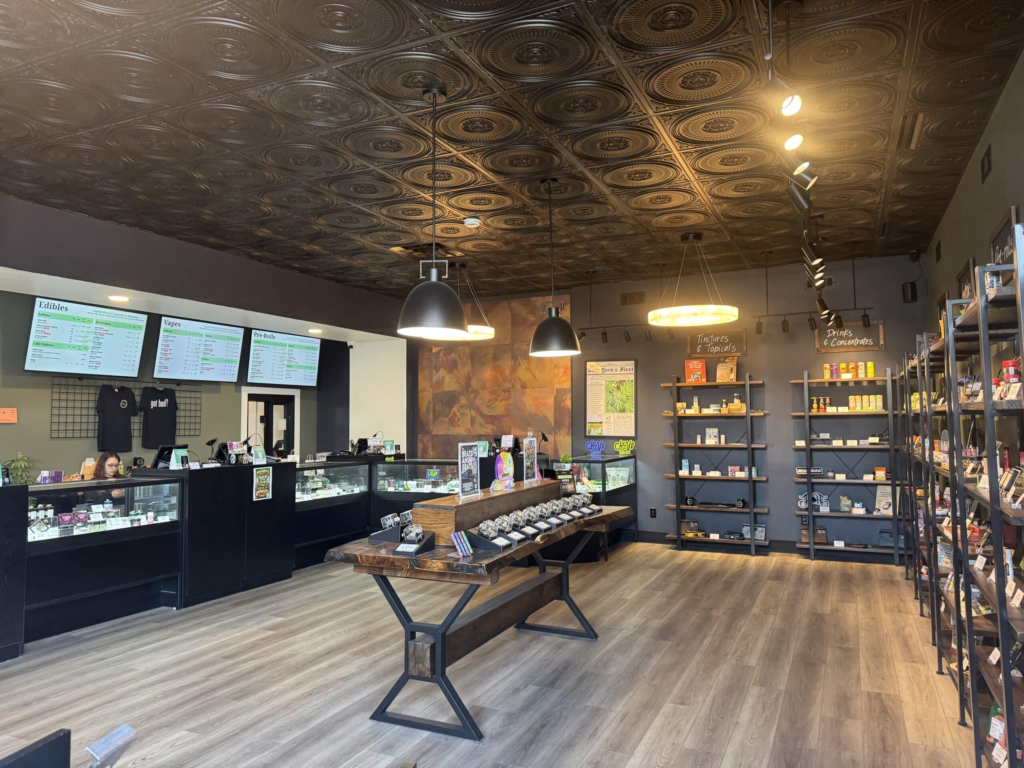
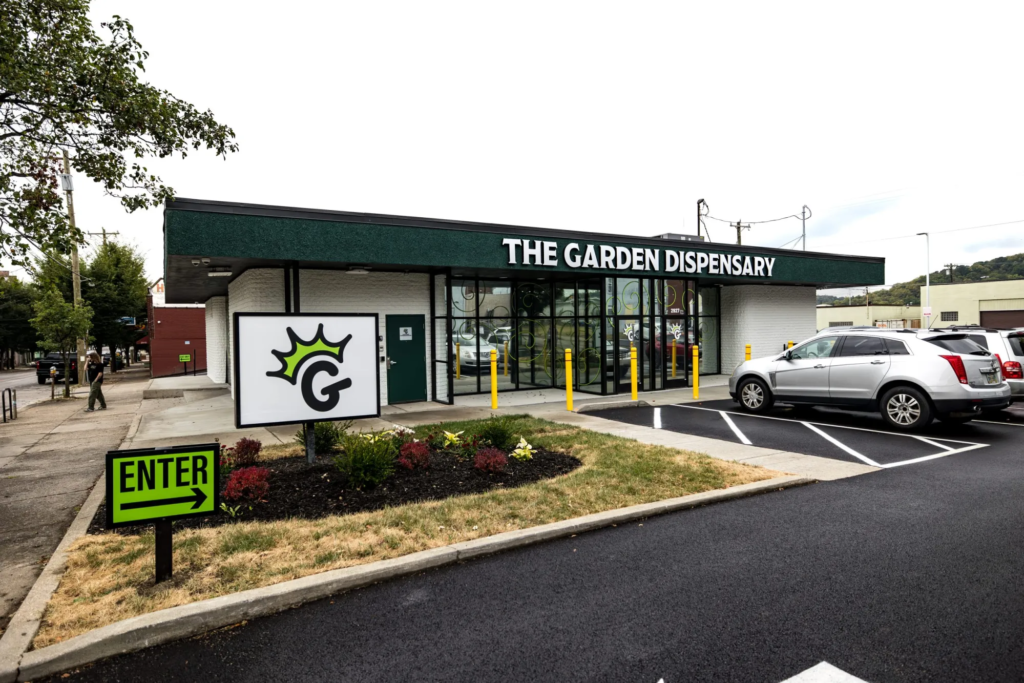
Cannabis may only be purchased from licensed Washington cannabis retailers.
Licensed retailers must comply with state regulations covering:
🏪 Retail operations
🧪 Product testing
🏷️ Packaging and labeling
📦 Inventory tracking
🔒 Security standards
Buying from licensed retailers helps ensure products have been tested and comply with Washington’s safety requirements.
🚚 Cannabis Delivery
Unlike some other legal states, Washington generally does not allow licensed recreational cannabis delivery directly to consumers.
Consumers must typically purchase cannabis in person from a licensed retail store. Businesses should not advertise or offer unauthorized delivery services.
⚠️ Important
Purchase cannabis only from licensed Washington retailers. Buying from unlicensed sellers or using unauthorized delivery services may expose consumers to legal risks and untested products.
🧪 Product Testing & Consumer Safety
Cannabis products sold through Washington’s licensed market must undergo laboratory testing before reaching consumers.
Testing may include:
🔬 Potency verification
☣️ Pesticide screening (where required)
⚙️ Residual solvent testing
🦠 Microbial contamination screening
🏷️ Product labeling verification
Testing helps improve consumer confidence and product safety.
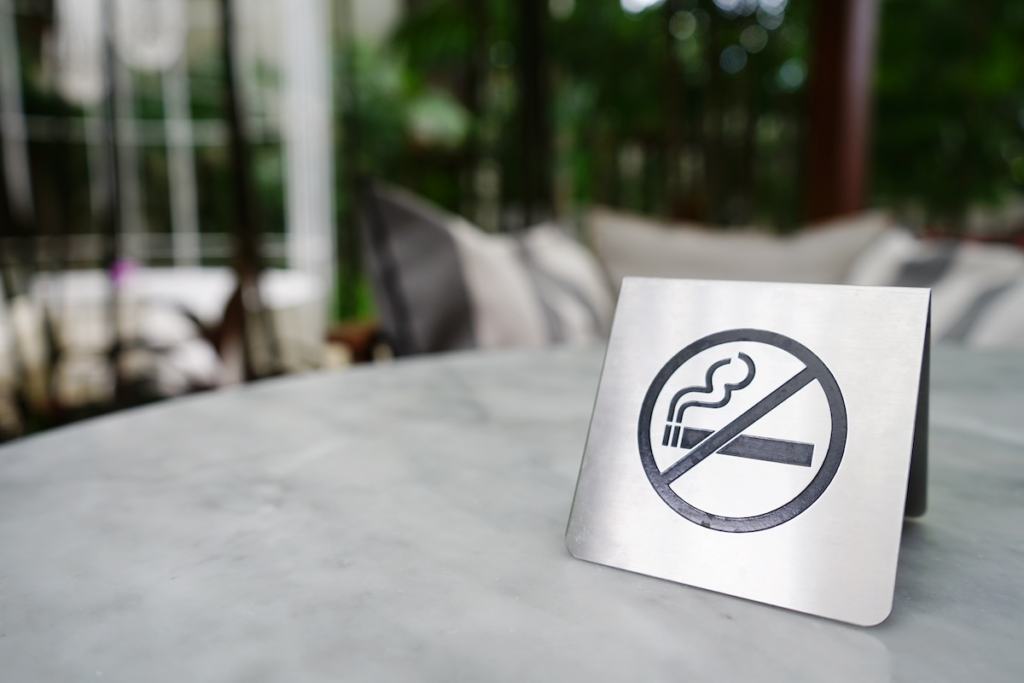
🚭 Where Can You Consume Cannabis?
Washington generally limits cannabis consumption to private property where permitted by the property owner.
Public cannabis consumption is prohibited.
Examples of prohibited locations include:
🚫 Sidewalks
🚫 Parks
🚫 Restaurants
🚫 Bars
🚫 Public transportation
🚫 Schools
🚫 Federal property
Property owners, employers, hotels, and landlords may also prohibit cannabis use on their property.
⚠️ Public Consumption Reminder
Even though cannabis is legal in Washington, consuming it in public places is prohibited. Always consume cannabis responsibly on private property where it is allowed.
🚗 Driving & Cannabis
Driving while impaired by cannabis is illegal in Washington.
Never operate:
🚗 Cars
🏍️ Motorcycles
🚛 Commercial vehicles
🚲 Any vehicle while impaired
If you plan to consume cannabis, arrange safe transportation before using cannabis products.
⚠️ Safety Reminder
Never drive while impaired by cannabis. Plan ahead and use a designated driver or rideshare service if needed.
💰 Cannabis Taxes
Adult-use cannabis purchases in Washington are generally subject to:
💰 A 37% state cannabis excise tax
🏛️ Applicable state and local sales taxes
Medical cannabis patients purchasing qualifying products may receive different tax treatment under Washington law.
Tax rates and final prices may vary depending on the retailer and local jurisdiction.

📌 Consumer Tips
Before visiting a dispensary:
✅ Bring a valid government-issued photo ID
✅ Purchase only from licensed retailers
✅ Stay within Washington’s possession limits
✅ Keep cannabis sealed while transporting it
✅ Consume only on private property where permitted
✅ Never drive while impaired
🌿 Quick Takeaways
✅ Adults 21+ may legally purchase recreational cannabis.
✅ Adults may possess up to 1 ounce of usable cannabis.
✅ Washington allows non-residents to purchase cannabis.
✅ Recreational home cultivation remains illegal.
✅ Public cannabis consumption is prohibited.
✅ Driving while impaired by cannabis is illegal.
🚚 For Distributors
Washington’s regulated cannabis industry depends on a carefully monitored supply chain that moves cannabis products from licensed producers to processors and ultimately to licensed retail stores.
Unlike some states, Washington has a three-tier licensing system consisting primarily of:
🌱 Producers
🏭 Processors
🏪 Retailers
Every transfer between licensed businesses is regulated by the Washington State Liquor and Cannabis Board (WSLCB) to help maintain product safety, inventory accountability, and consumer protection.
🌿 Washington’s Cannabis Supply Chain
Before cannabis reaches consumers, it generally moves through several licensed businesses.
Typical Supply Chain
🌱 Licensed Producer
⬇️
🏭 Licensed Processor
⬇️
🏪 Licensed Retailer
⬇️
👤 Consumer
Each stage of the supply chain is subject to strict state oversight, helping ensure cannabis products remain within Washington’s regulated marketplace.
🌱 Producer License
Licensed producers are responsible for cultivating cannabis plants intended for the legal retail market.
Producer responsibilities include:
🌿 Cannabis cultivation
🏷️ Plant identification
📦 Harvest management
📋 Inventory reporting
🔒 Security compliance
Licensed producers may transfer cannabis only to other authorized licensees.
🏭 Processor License
Licensed processors purchase cannabis from licensed producers and prepare products for retail sale.
Processors may:
🌿 Dry and cure cannabis flower
✂️ Trim harvested cannabis
🧪 Produce cannabis concentrates
🍬 Manufacture infused products such as edibles and beverages
🏷️ Package and label cannabis products
Only products meeting Washington’s testing and packaging requirements may proceed to retail sale.
🚛 Transportation Between Licensed Businesses
Cannabis products may only be transported between authorized Washington cannabis licensees.
Authorized transfers commonly occur between:
🌱 Producers
🏭 Processors
🏪 Licensed retailers
🧪 Licensed testing laboratories (where applicable)
All transfers must comply with Washington’s inventory tracking and transportation requirements.
Unauthorized transportation or distribution of cannabis may result in enforcement actions.
🌿 Know the Difference
Washington regulates cannabis movement between licensed businesses through its producer, processor, and retailer licensing system. Recreational cannabis delivery directly to consumers is generally not permitted under current Washington law.
📋 Inventory Tracking & Compliance
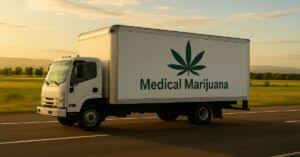
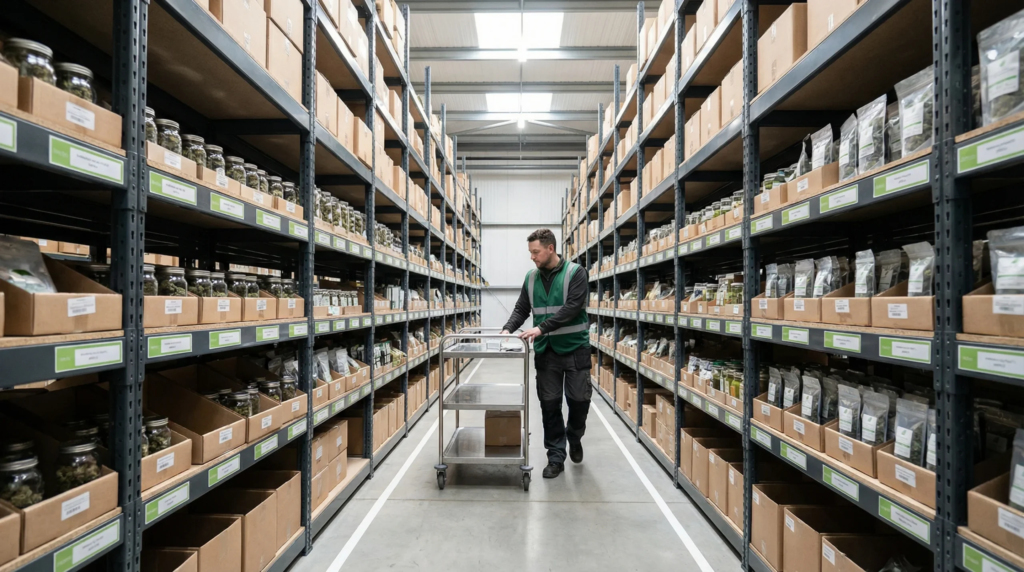
Washington requires licensed cannabis businesses to maintain accurate inventory records throughout the legal supply chain.
Businesses generally track:
🌱 Plant cultivation
🏷️ Product identification
📦 Packaging
🚚 Transfers between licensed businesses
🏪 Retail inventory
🗑️ Product disposal and destruction
Accurate inventory reporting helps prevent diversion into the illicit market while supporting consumer safety.
🧪 Product Testing
Before cannabis products may be sold through licensed retailers, they must successfully complete required laboratory testing.
Testing commonly includes:
🔬 Potency verification
🧪 Residual solvent testing
☣️ Pesticide screening (where applicable)
🦠 Microbial contamination testing
🏷️ Product labeling verification
Testing helps ensure products meet Washington’s safety standards before reaching consumers.
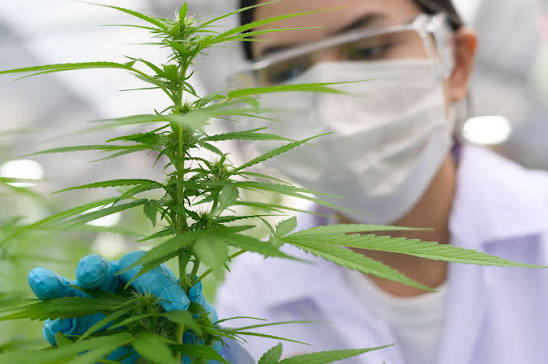
🔒 Security Requirements
Licensed cannabis businesses must maintain security measures designed to protect products, employees, and consumers.
Common requirements include:
📹 Video surveillance systems
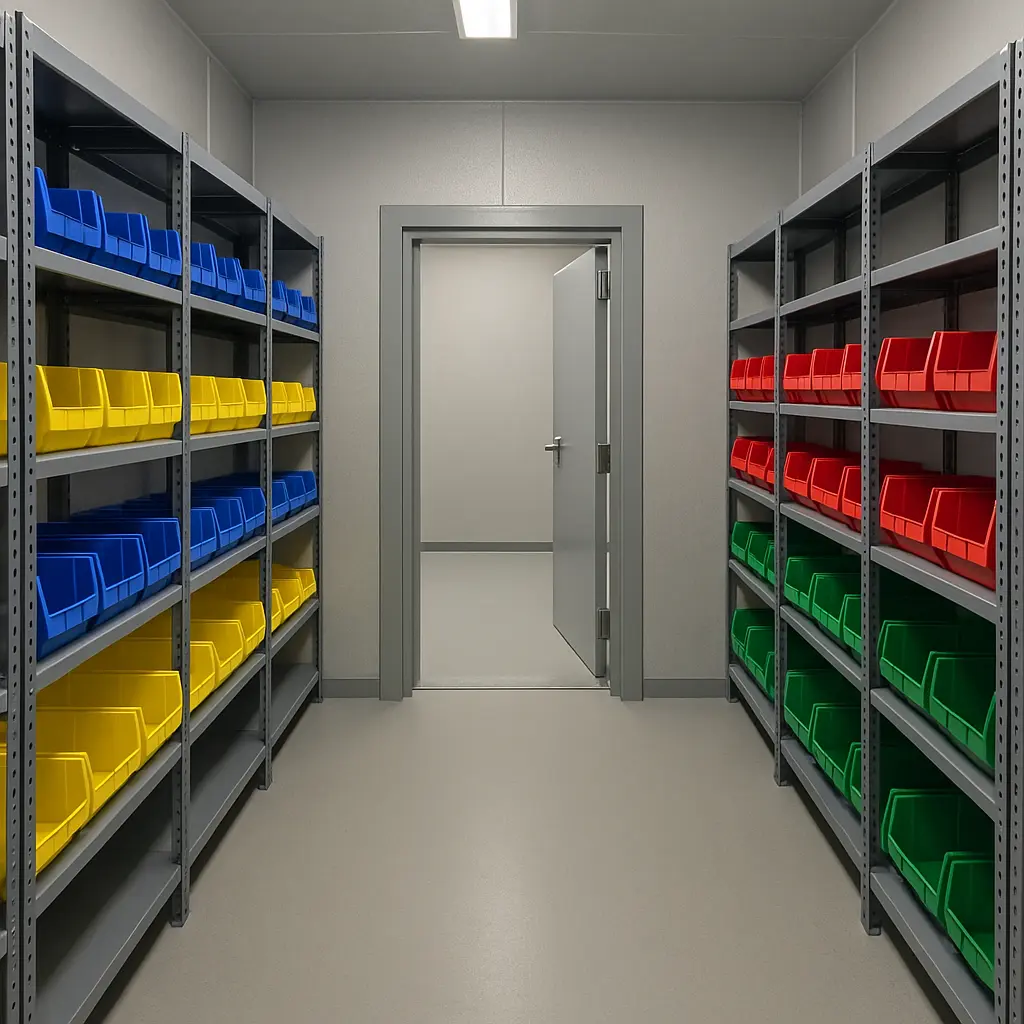
🔐 Secure storage areas
📋 Inventory reconciliation
🚚 Transportation documentation
🏢 Facility inspections
📚 Record retention
Strong security practices help maintain the integrity of Washington’s regulated cannabis market.
📋 Compliance Reminder
Licensed cannabis businesses are responsible for maintaining accurate records, complying with WSLCB regulations, and following Washington’s inventory tracking, security, and transportation requirements.
📝 Licensing Process
Businesses interested in becoming licensed cannabis producers or processors generally follow these steps:
1️⃣ Review License Availability
Determine whether the Washington State Liquor and Cannabis Board is accepting applications for the desired license type and review current eligibility requirements.
2️⃣ Submit an Application
Applicants must provide ownership information, business documentation, financial disclosures, and facility details required by the WSLCB.
3️⃣ Meet Facility Requirements
Businesses must comply with applicable zoning, security, operational, and building standards before beginning operations.
4️⃣ Establish Compliance Procedures
Develop inventory tracking systems, employee training programs, security procedures, and operational policies that comply with Washington regulations.
5️⃣ Maintain Compliance
Licensed businesses should:
✅ Maintain accurate inventory records
✅ Prepare for regulatory inspections
✅ Renew licenses as required
✅ Train employees on compliance procedures
✅ Stay informed about updates from the WSLCB
📈 Industry Trends
Washington’s cannabis industry continues to evolve through regulatory updates, product innovation, and ongoing consumer demand.
Current areas of focus include:
📈 Expansion of product innovation
🧪 Continued improvements in laboratory testing
🌿 Enhanced consumer safety standards
🚔 Enforcement against illicit cannabis operations
🏪 Continued growth of licensed cannabis retailers
⚖️ Ongoing regulatory updates issued by the Washington State Liquor and Cannabis Board
Businesses should regularly monitor WSLCB announcements to remain informed about licensing, compliance, and regulatory changes.
🌿 RollersDaily Pro Tip
Long-term success in Washington’s cannabis industry depends on more than producing quality products. Accurate inventory management, regulatory compliance, secure operations, and ongoing employee training are essential for maintaining a successful licensed cannabis business.
📌 Distributor Best Practices
Successful licensed cannabis businesses typically:
✅ Maintain accurate inventory records
✅ Conduct routine compliance audits
✅ Follow secure transportation procedures
✅ Train employees on state regulations
✅ Keep licenses current
✅ Monitor updates from the Washington State Liquor and Cannabis Board
🌿 Quick Takeaways
✅ Washington regulates cannabis through a producer, processor, and retailer licensing system.
✅ Cannabis products may only move between authorized licensed businesses.
✅ Accurate inventory tracking is required throughout the legal supply chain.
✅ Products must pass laboratory testing before retail sale.
✅ Strong compliance and security practices are essential for maintaining a Washington cannabis license.
❓ Frequently Asked Questions (FAQ)
Below are answers to some of the most common questions about Washington cannabis laws. These FAQs are designed to help consumers, visitors, and businesses better understand Washington’s regulated cannabis market.
🌿 Is recreational cannabis legal in Washington?
Yes. Adults 21 years of age and older may legally purchase, possess, and consume cannabis under Washington law when purchasing from licensed cannabis retailers.
🪪 Do I need a medical marijuana card?
No.
Adults 21 years and older do not need a medical cannabis authorization to purchase recreational cannabis.
However, qualifying patients may participate in Washington’s Medical Cannabis Program and purchase cannabis through retailers with medical endorsements.
🌱 Can I legally grow cannabis at home?
For most adults, no.
Washington does not currently allow recreational home cultivation.
Home cultivation is generally limited to:
🌿 Qualified medical cannabis patients
👨⚕️ Designated providers
who meet Washington’s medical cannabis requirements.
🏪 Can tourists buy cannabis in Washington?
Yes.
Visitors 21 years or older with valid government-issued identification may legally purchase cannabis from licensed Washington cannabis retailers.
🚚 Does Washington allow cannabis delivery?
Generally, no.
Washington does not generally permit licensed recreational cannabis retailers to deliver cannabis directly to consumers.
Consumers should purchase cannabis in person from licensed retail stores.
🚭 Can I consume cannabis in public?
No.
Washington prohibits cannabis consumption in public places.
Cannabis should only be consumed on private property where permitted by the property owner.
🚗 Can I drive after consuming cannabis?
No.
Driving while impaired by cannabis is illegal.
Washington has strict impaired driving laws, and motorists should never operate a vehicle after consuming cannabis if they are impaired.
✈️ Can I travel with cannabis?
Although cannabis is legal under Washington law, transporting cannabis across state lines remains illegal under federal law.
Travelers should also avoid possessing cannabis on federal property, including:
🏞️ National Parks
🎖️ Military bases
🏛️ Federal buildings
✈️ Airports operating under federal jurisdiction
🇺🇸 Is cannabis legal on federal land?
No.
Federal law continues to prohibit cannabis on federal property regardless of Washington law.
💳 Can I use a credit card at dispensaries?
Payment methods vary by retailer.
Many Washington cannabis retailers accept:
💵 Cash
💳 Debit cards
📱 Certain cashless payment methods
Consumers should contact the retailer before visiting if they have questions regarding accepted payment methods.
🌿 Washington Cannabis at a Glance
| Category | Washington Law |
|---|---|
| Recreational Age | 21+ |
| Medical Cannabis | ✅ Yes |
| Recreational Cannabis | ✅ Yes |
| Home Grow | Medical patients only (with qualifying authorization) |
| Flower Possession | Up to 1 ounce |
| Concentrate Possession | Up to 7 grams |
| Cannabis-Infused Solids | Up to 16 ounces |
| Cannabis-Infused Liquids | Up to 72 ounces |
| Licensed Retailers | ✅ Yes |
| Recreational Delivery | Generally not permitted |
| Public Consumption | Prohibited |
| Driving While Impaired | Illegal |
🌿 Key Takeaways
Washington remains one of the nation’s oldest and most established regulated cannabis markets.
Whether you’re purchasing cannabis for personal use or exploring opportunities within the legal cannabis industry, understanding Washington’s laws can help you remain compliant while supporting licensed cannabis businesses.
Remember:
✅ Purchase only from licensed cannabis retailers
✅ Stay within Washington’s possession limits
✅ Recreational home cultivation is not currently legal
✅ Consume cannabis only on private property where permitted
✅ Never drive while impaired
✅ Stay informed about future regulatory updates
🌿 RollersDaily Tip
Cannabis laws continue to evolve. Before making important legal or business decisions, verify current regulations with the Washington State Liquor and Cannabis Board (WSLCB) or consult a qualified legal professional.
📍 Explore Washington Cannabis with RollersDaily
Looking for trusted cannabis resources across Washington?
RollersDaily helps connect consumers with licensed cannabis businesses while providing educational resources and industry news.
🏪 Find Licensed Washington Dispensaries
Locate licensed cannabis retailers throughout Washington.
➡️ Browse Washington Dispensaries
💰 Explore Cannabis Deals
Discover promotions and special offers from participating licensed cannabis retailers.
➡️ View Washington Cannabis Deals
📅 Discover Cannabis Events
Stay informed about cannabis expos, educational seminars, networking events, festivals, and community gatherings happening across Washington.
➡️ Browse Washington Cannabis Events
📰 Read the Latest Cannabis News
Follow breaking cannabis news, legislative updates, product launches, business developments, and industry trends.
➡️ Read Washington Cannabis News
🌎 Explore More State Cannabis Guides
Planning a trip or researching cannabis laws in other states?
Continue exploring RollersDaily’s growing cannabis law library.
🌴 California Cannabis Laws
🍎 New York Cannabis Laws
🏔️ Colorado Cannabis Laws
🌵 Arizona Cannabis Laws
🌊 Oregon Cannabis Laws
⭐ Stay Connected with RollersDaily
Follow RollersDaily for:
📰 Daily cannabis news
🏪 Verified dispensary listings
💰 Exclusive cannabis deals
📅 Cannabis events
🌿 Educational cannabis resources
📈 Marketing insights for cannabis businesses
Thanks for Reading! 🌿
Whether you’re visiting Washington, a longtime resident, or a cannabis industry professional, we hope this guide has helped you better understand Washington’s cannabis laws and regulations.
Bookmark this page, share it with others, and check back regularly as Washington’s cannabis industry continues to evolve.
Last Updated: July 2026
⚖️ Disclaimer
The information provided on this page is for general informational and educational purposes only and should not be considered legal, financial, medical, or professional advice. While RollersDaily strives to keep information accurate and up to date, cannabis laws and regulations frequently change at the federal, state, and local levels. Readers should verify current laws with the appropriate government agencies or consult a qualified attorney before making legal, business, or compliance decisions.
RollersDaily does not sell, distribute, manufacture, or facilitate the sale of cannabis products. Any dispensaries, businesses, products, or services featured on this website are presented for informational and directory purposes only. Visitors are responsible for complying with all applicable laws in their jurisdiction.